


.png.avif)


Ancient Greek interior design has been all over our feeds lately, and we don't think it's a coincidence that Christopher Nolan's "The Odyssey" just took over every IMAX screen in the country. Between Matt Damon as Odysseus, that "Defy the Gods" poster everyone was posting last summer, and roughly a thousand behind-the-scenes shots of Greek coastline, the internet remembered it loves a marble bust and a whitewashed wall. Honestly, we get it.
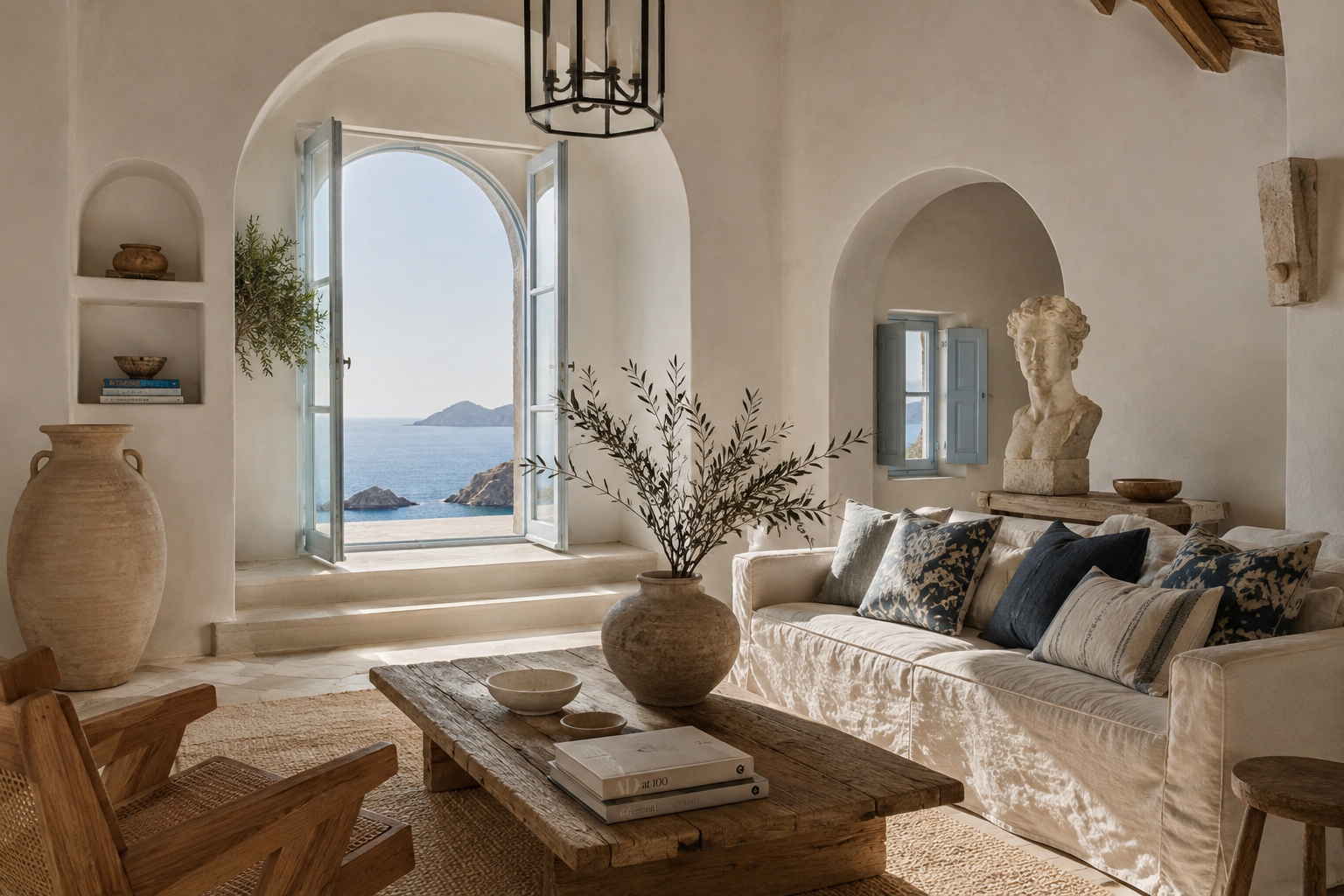
After years of maximalist everything, there's something really appealing about a room that just feels calm: white plaster, one good column, the kind of place that looks like it's been sitting on a cliff in Ithaca for centuries. This isn't about redecorating your apartment to look like a movie set. It's more about stealing the bones of the look, clean lines, natural materials, that one very specific blue, and letting a few pieces do all the work.
This post contains affiliate links, which means we may earn a commission if you shop through them—no extra cost to you, just extra good taste.
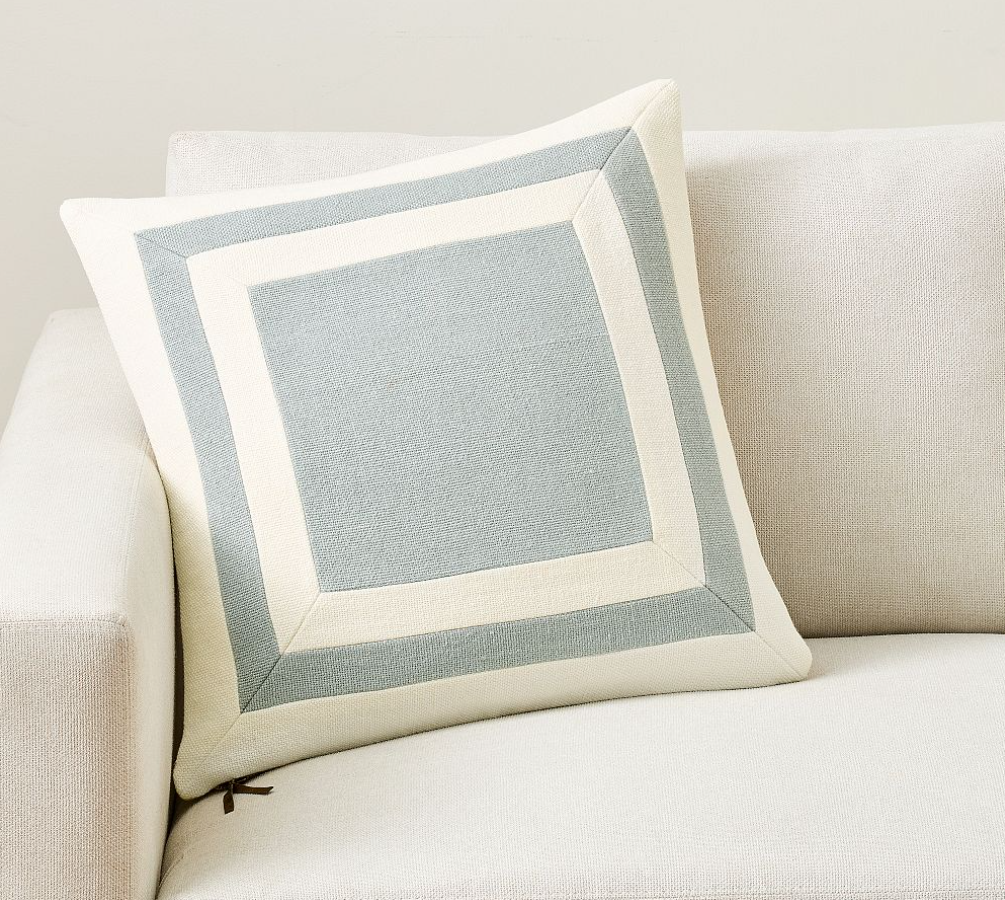
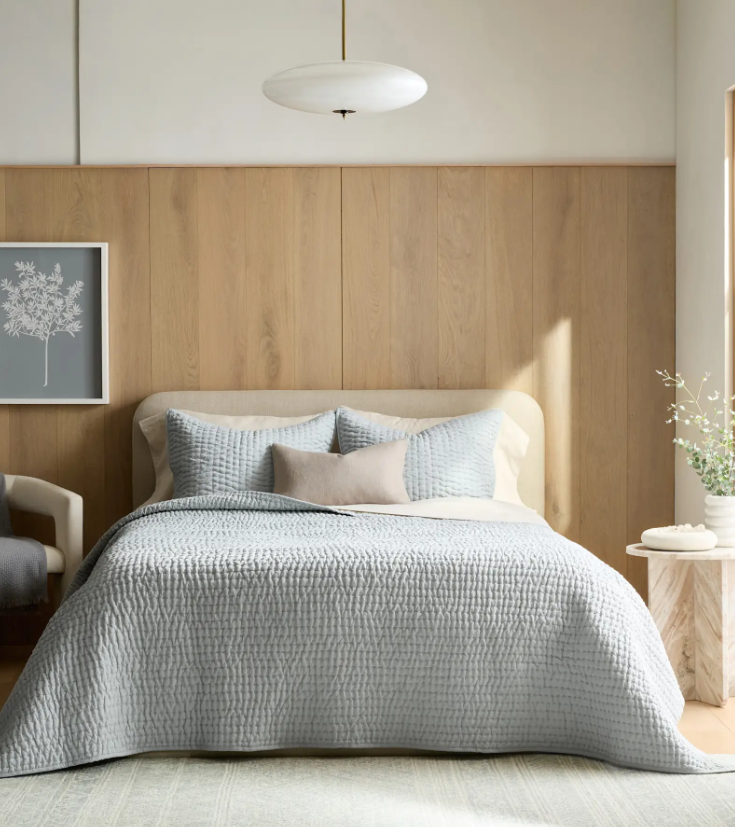
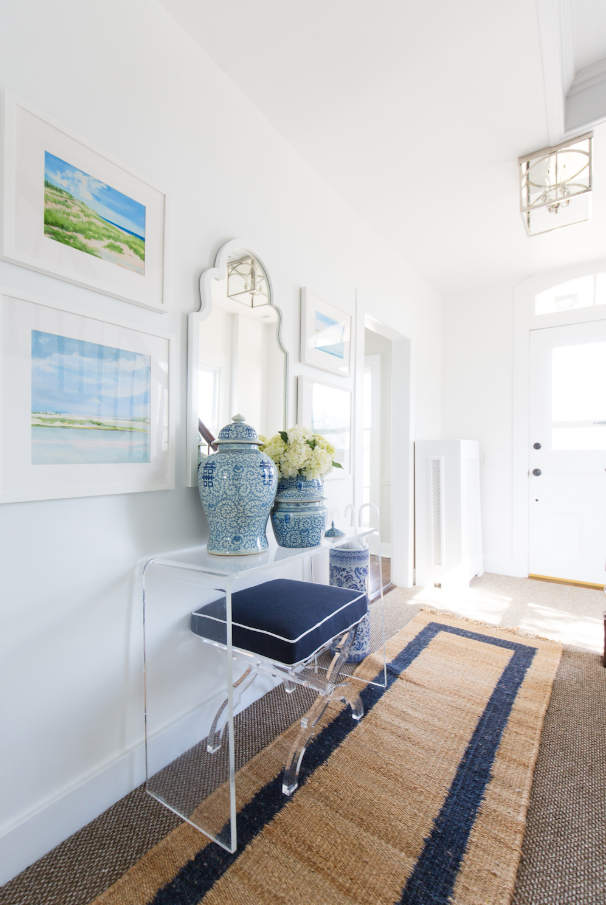
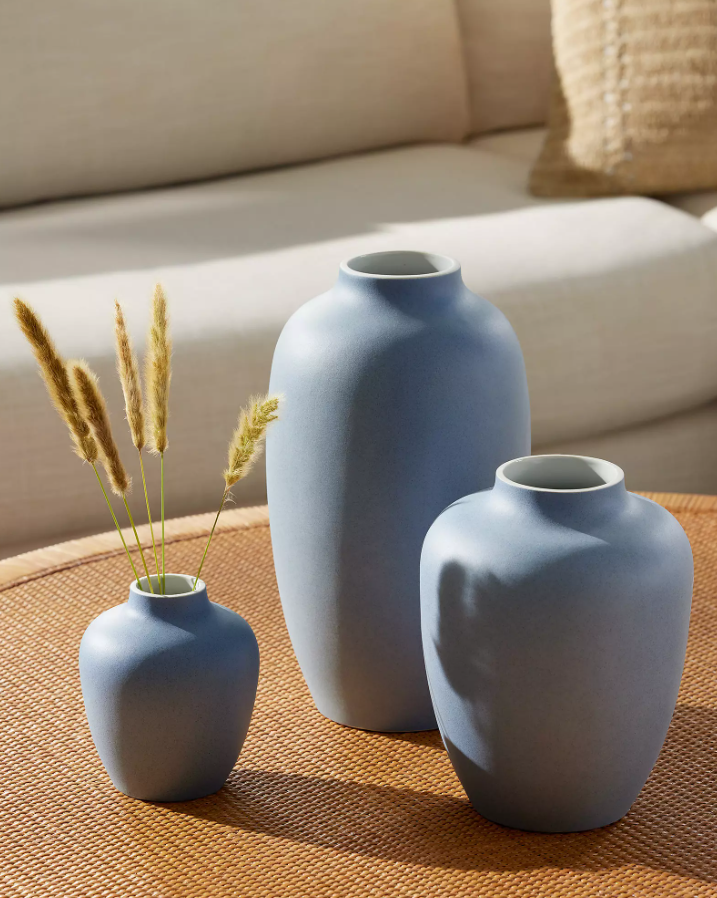
If this trend has a signature, it's the palette, and it's genuinely easy to pull off. Start with whitewashed or plaster-finish walls (the slightly textured, imperfect kind, not the flat builder-white your landlord already painted) and treat that as your base. Then bring in that Aegean blue, but don't go overboard. A painted door. A couple of ceramic vases. Maybe one chair. If you've watched the Odyssey trailer even once, you already know the blue we mean; Nolan's crew reportedly chased it around the actual Mediterranean for months of filming. Go too heavy on it and you end up somewhere closer to a beach rental than intentional design.
Then round everything out with warmer, earthier tones. Terracotta, sand, wood that looks like it's spent a little time in the sun. That's really the whole trick: a room that feels like it's been baking for a couple thousand years, not one you painted last Saturday.
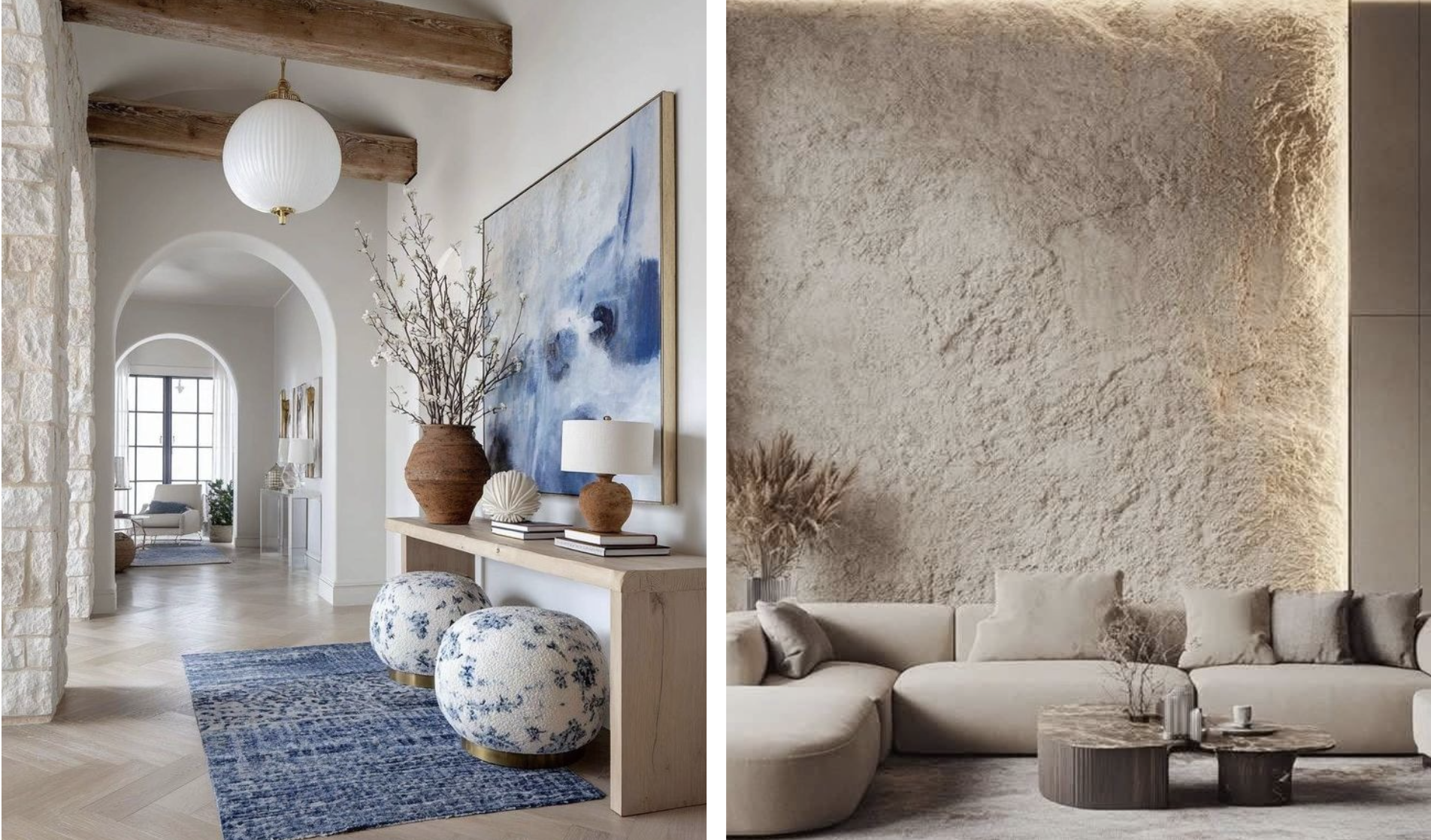
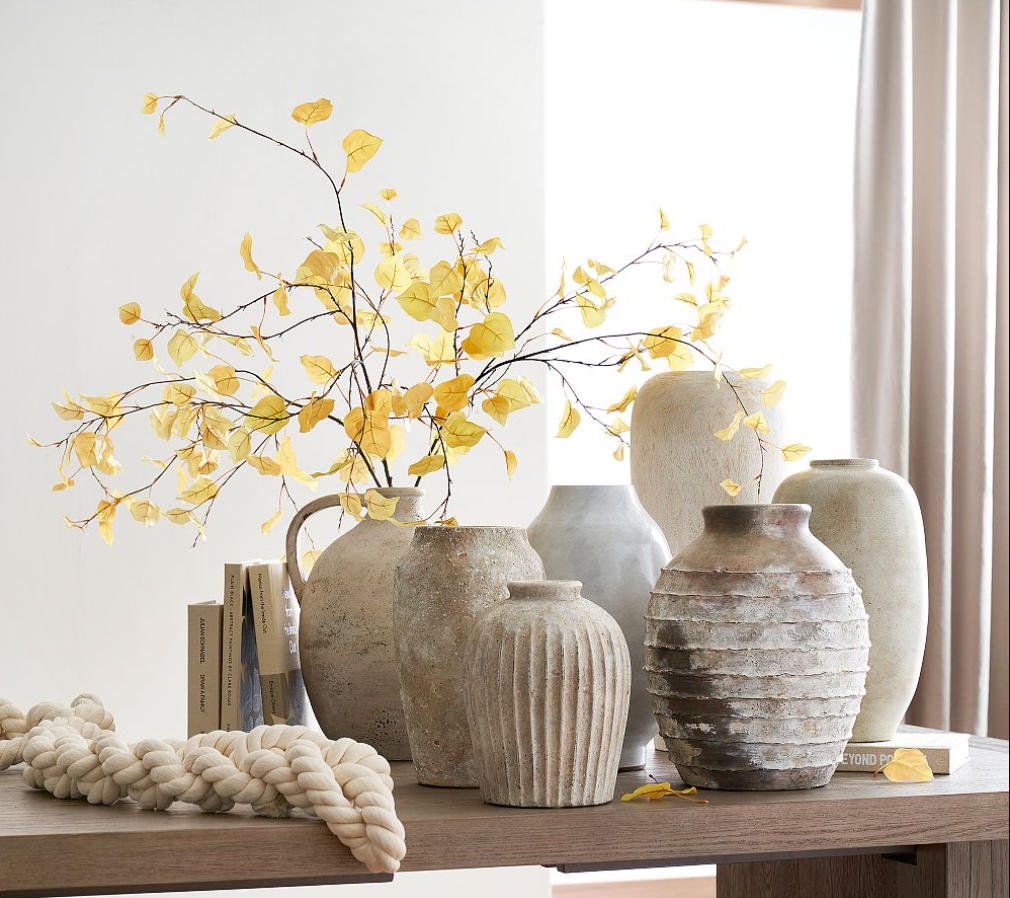
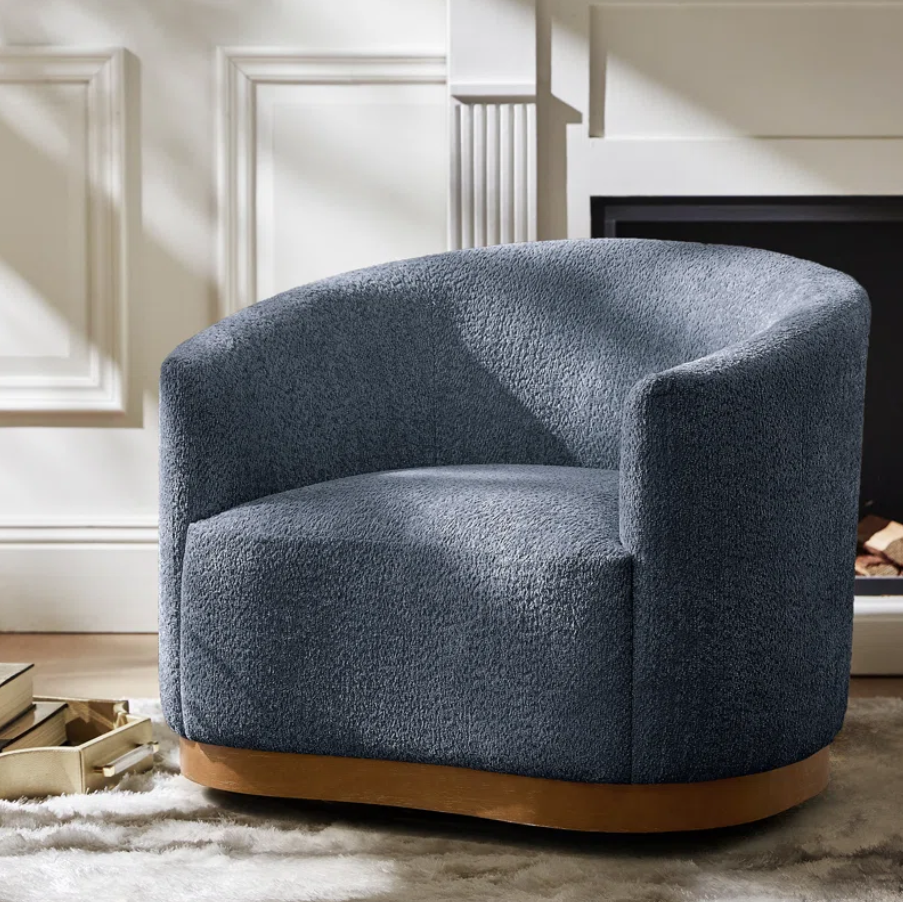
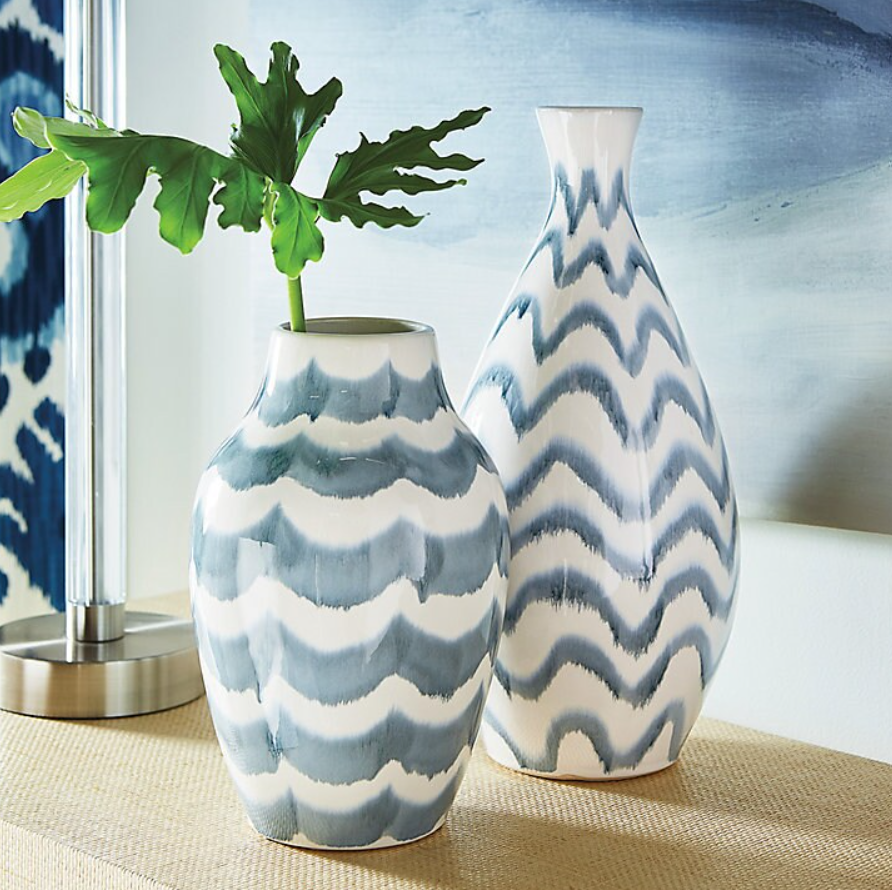
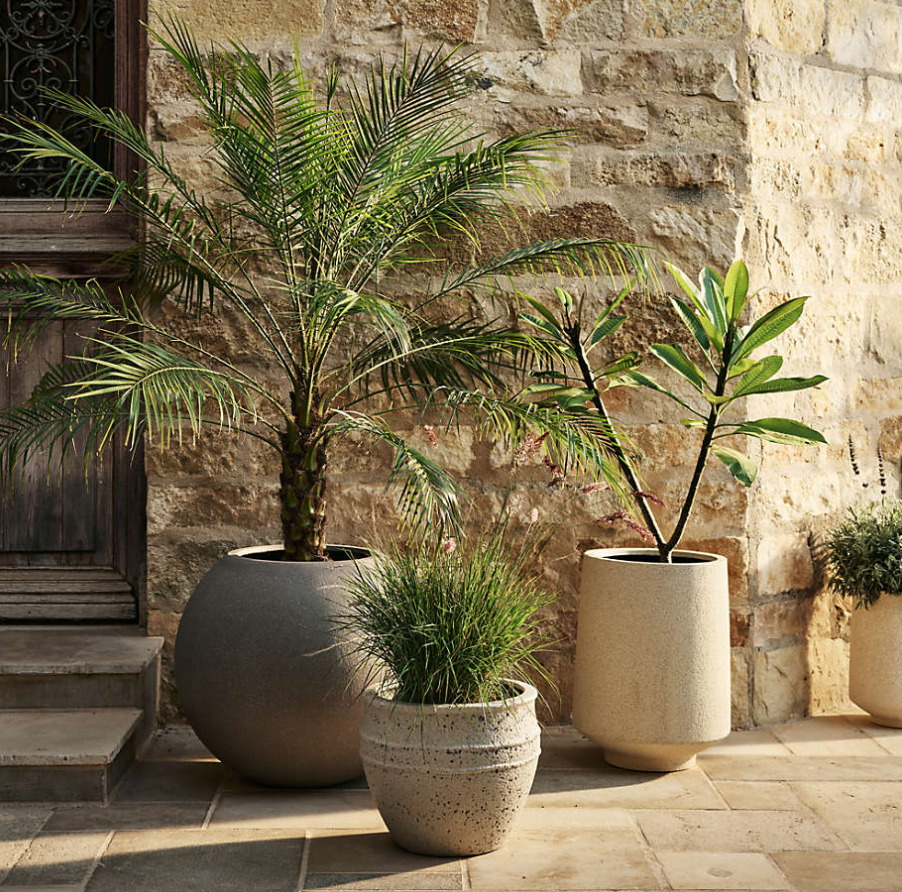
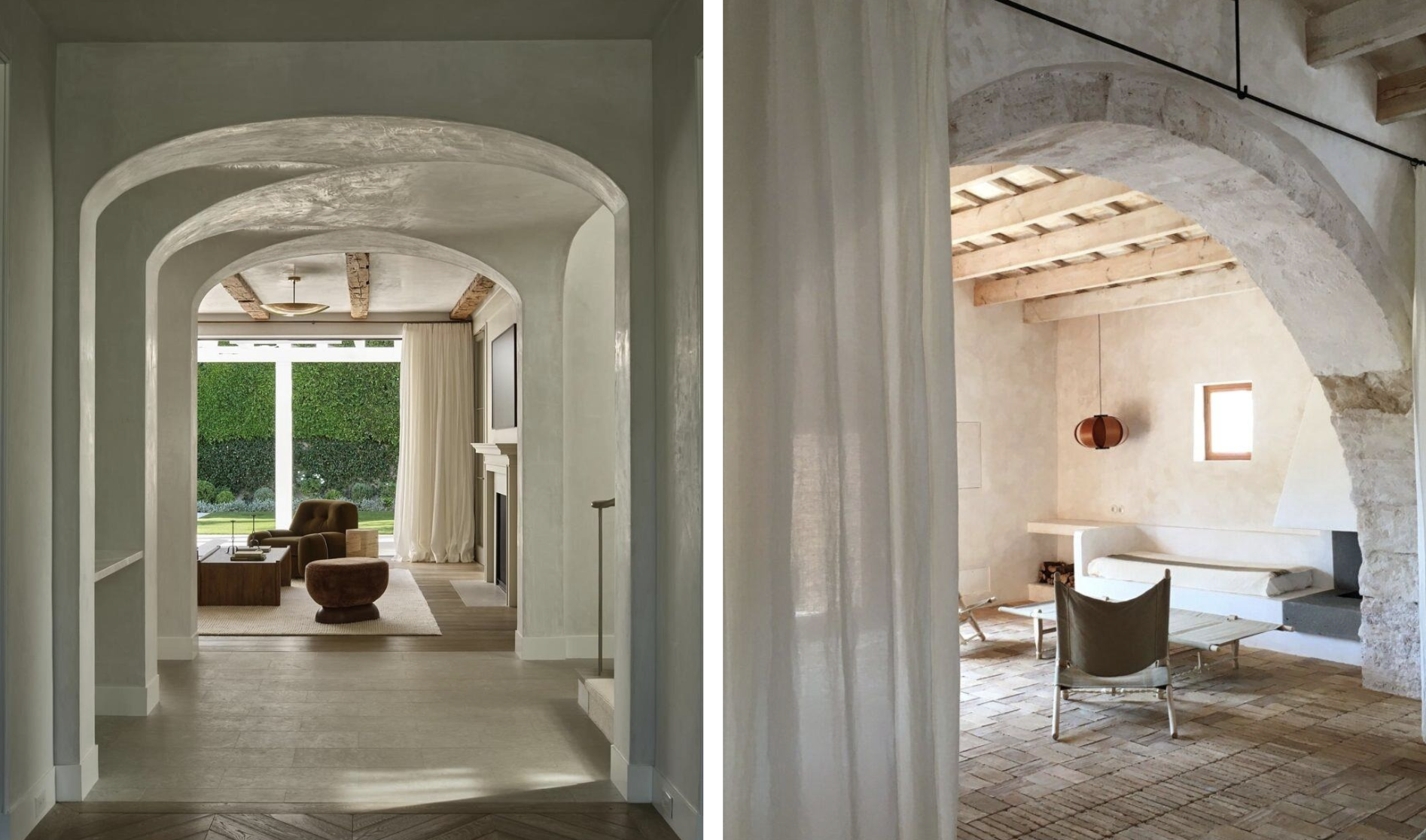
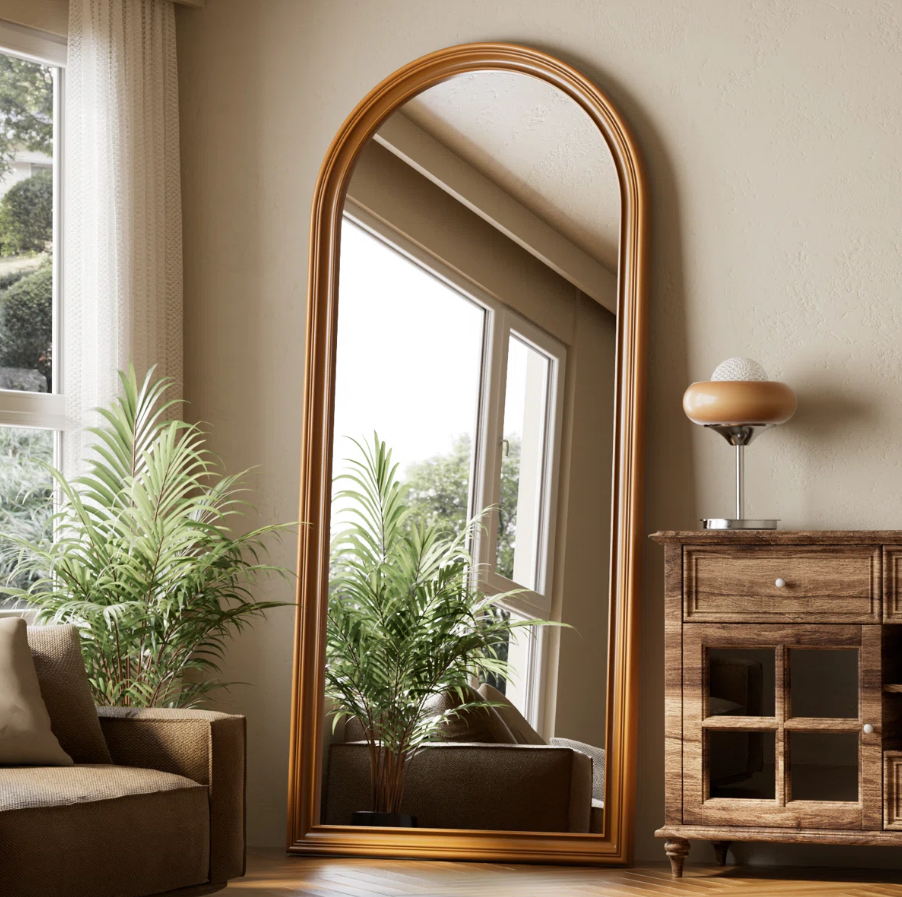
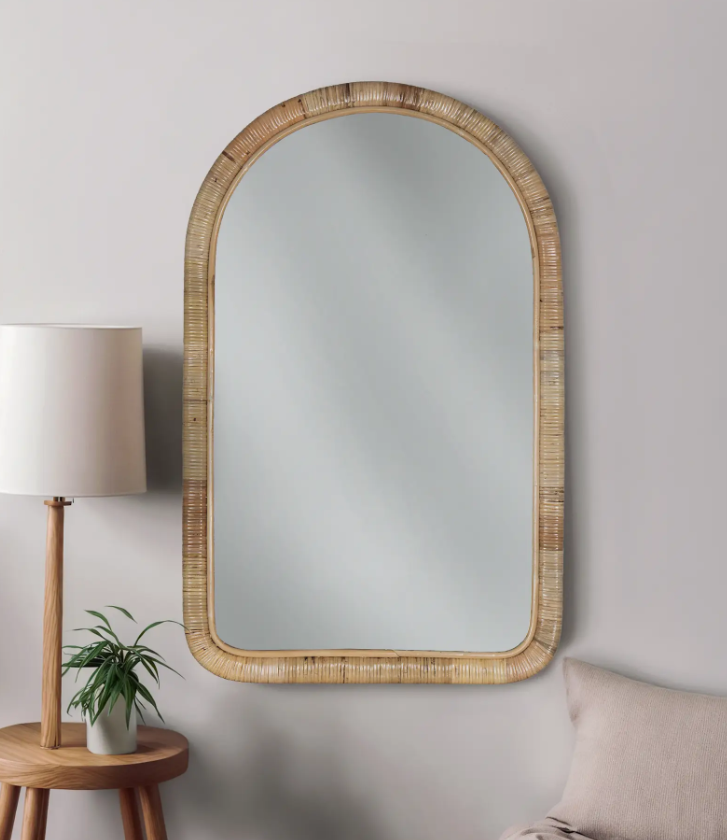
You don't need to gut your apartment for this one, but a few details go a long way. Arches are probably the easiest entry point we'd recommend. Even one arched mirror or a curved bookshelf insert gets the point across without a contractor involved. If you happen to be renovating anyway, a partial column or pilaster near an entryway is a pretty easy way to signal the whole aesthetic without needing a Nolan-sized budget.
Texture ends up mattering just as much as the actual shapes. These interiors leaned on plaster, stone, unfinished wood, nothing glossy or synthetic. So look for lime-washed finishes, real stone tile if you can swing it, raw wood over anything shiny. A textured plaster accent wall alone will get you most of the way there, and it's more or less the same surface treatment that made those ruins look so real on an IMAX screen.
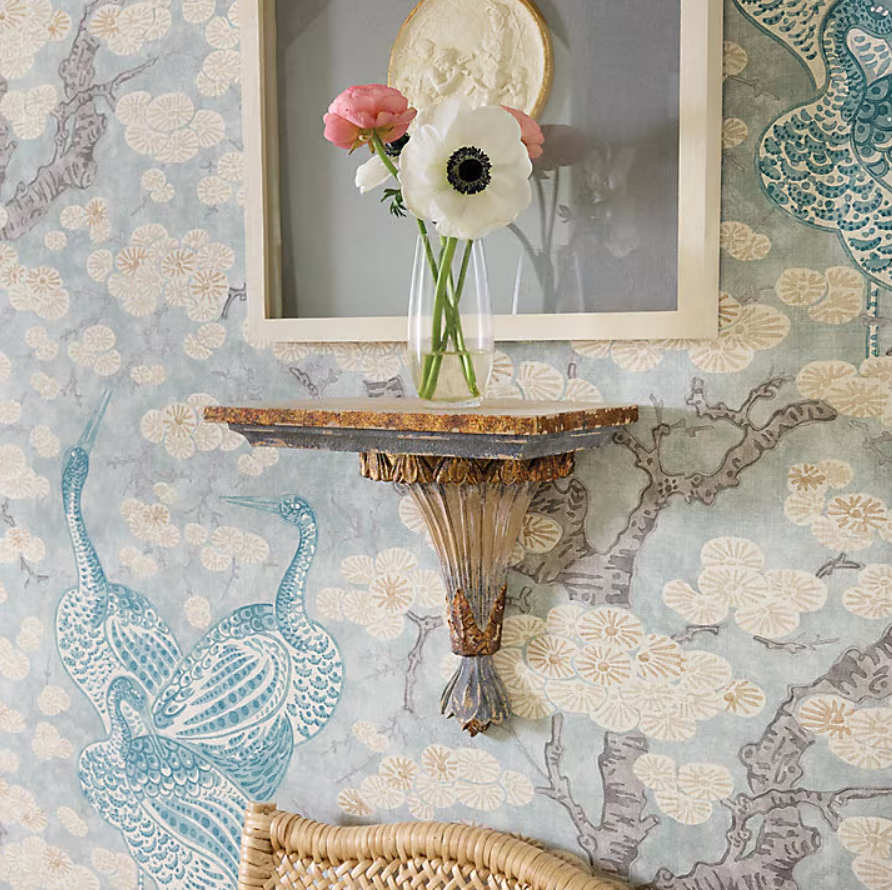
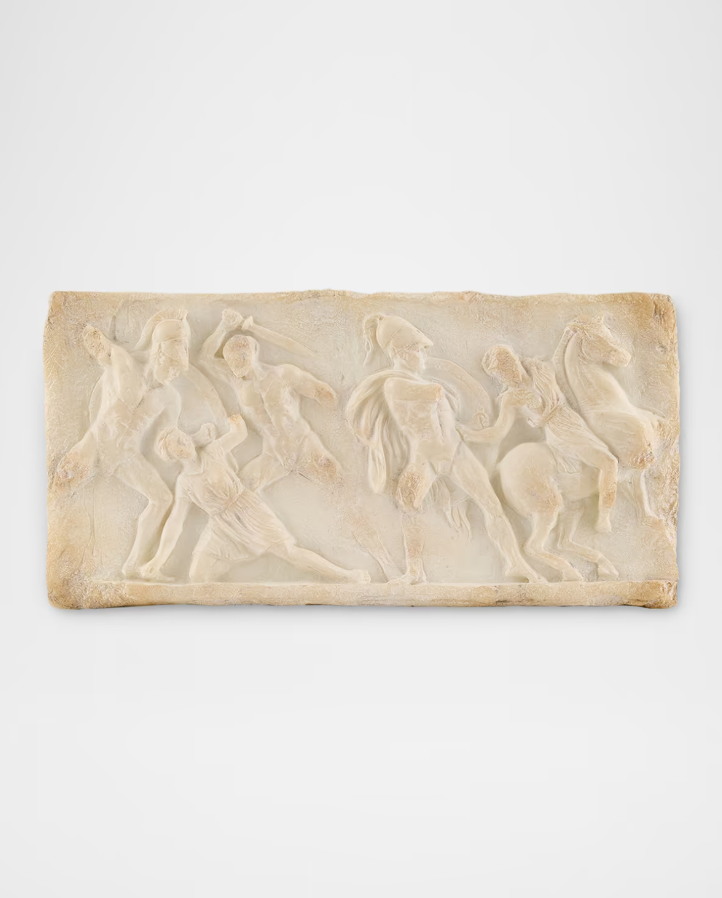
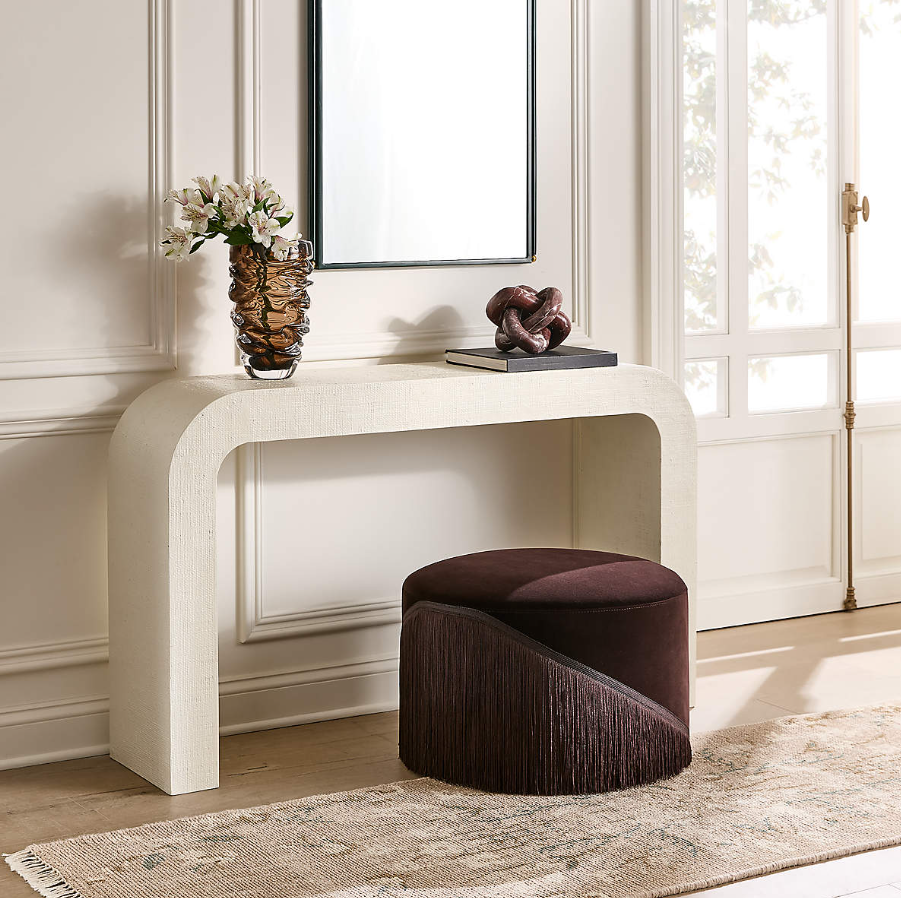
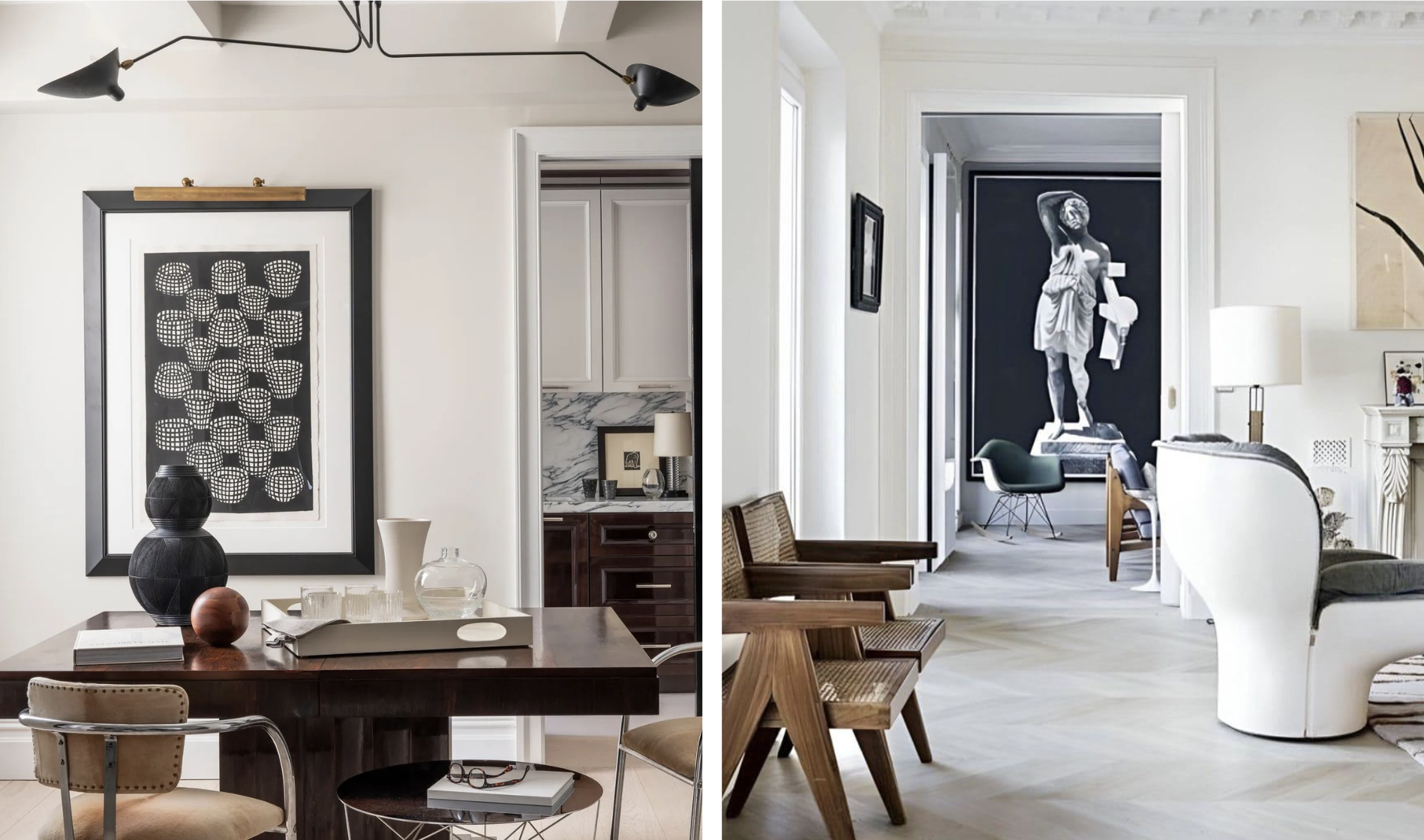
This is honestly the fun part, and also where the movie's influence shows up the most. A single marble or resin bust on a console table looks intentional, maybe even a little funny in a good way (we like to think Penelope would approve). Just don't go past one. The second you add a second bust, it starts feeling like a set piece instead of a home. Same logic applies to urns: one large amphora-shaped vase on the floor next to a sofa does more than five little ones lined up on a shelf.
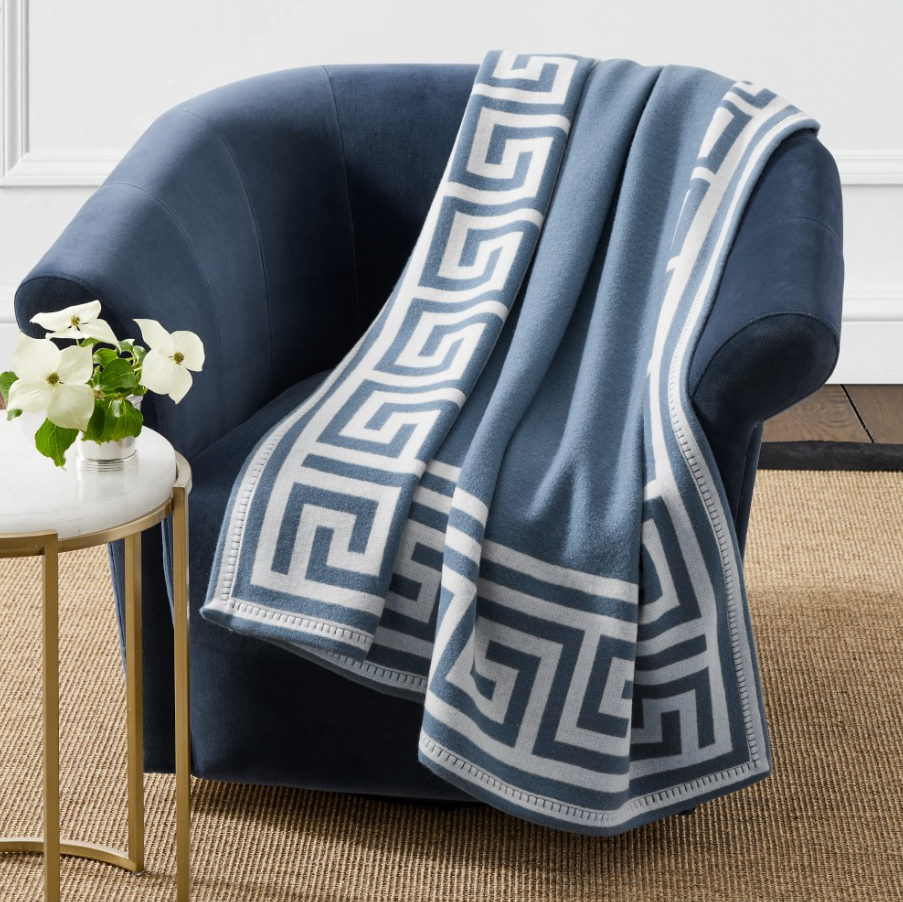
For fabric, stick with lightweight linen in neutral or olive tones, and don't be afraid of the Greek key pattern if you come across it. It shows up on pillows, rug borders, even lampshades these days, and it's a quieter way to nod at the trend without going full toga party. If you're shopping for a new chair, keep an eye out for that curved, tapered-leg silhouette (it's called klismos, in case you want to sound like you know things). It's basically the piece the entire look is built around.
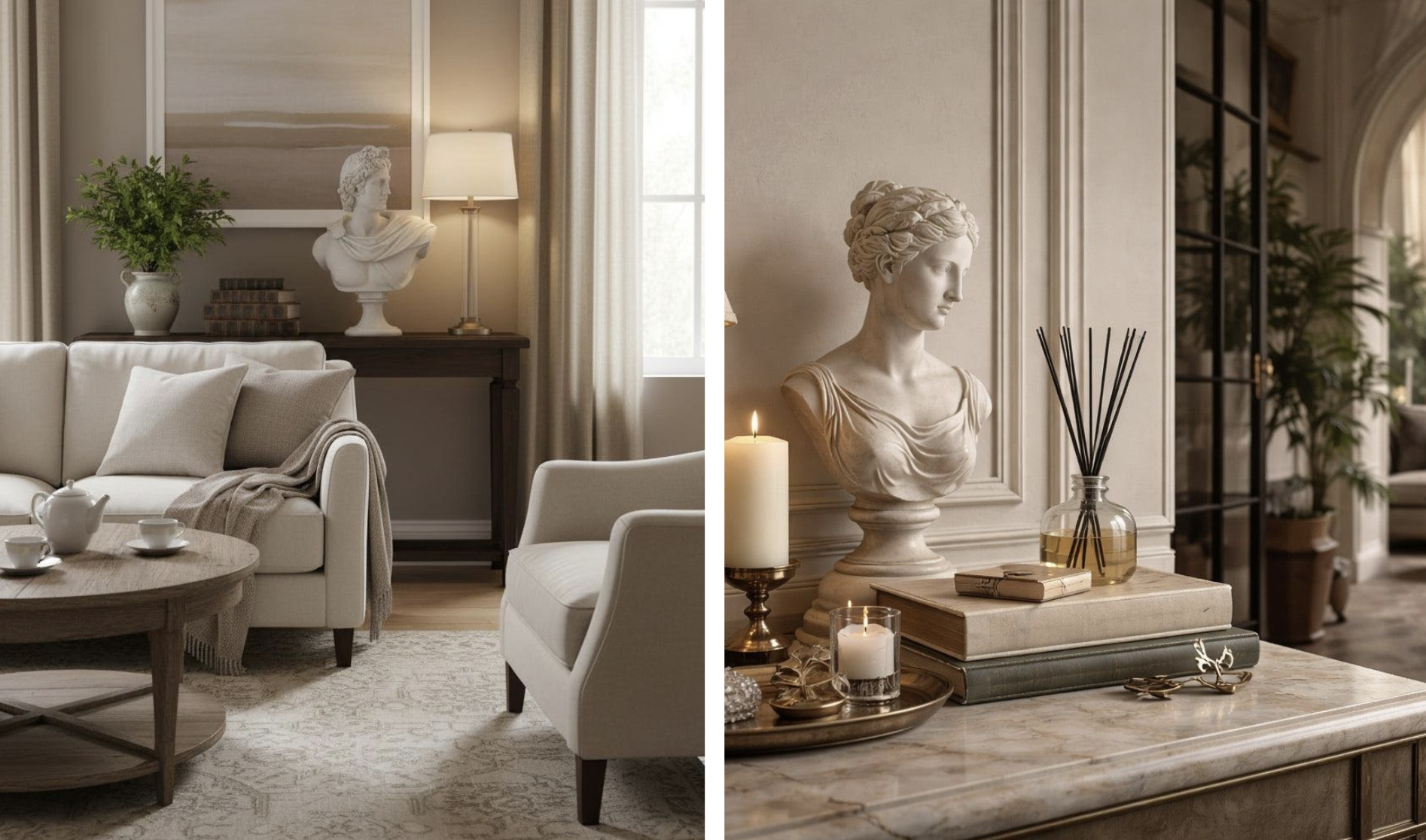
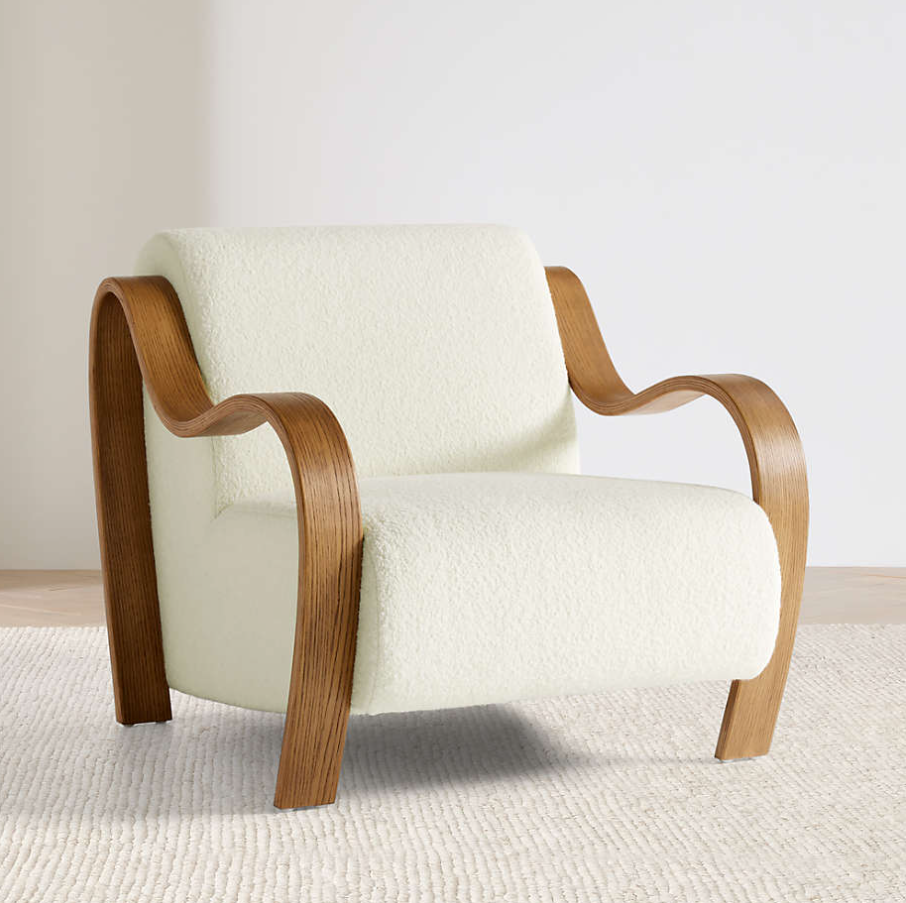
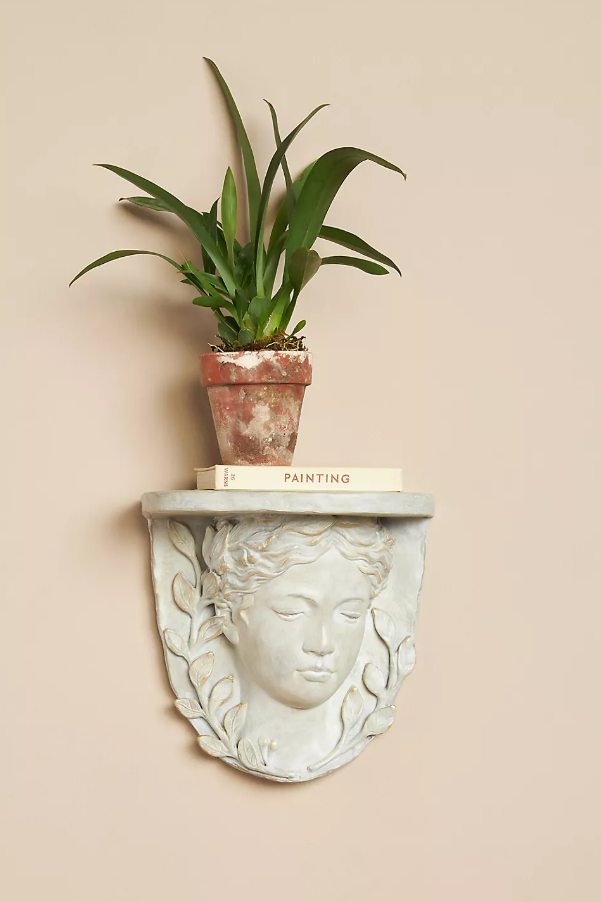
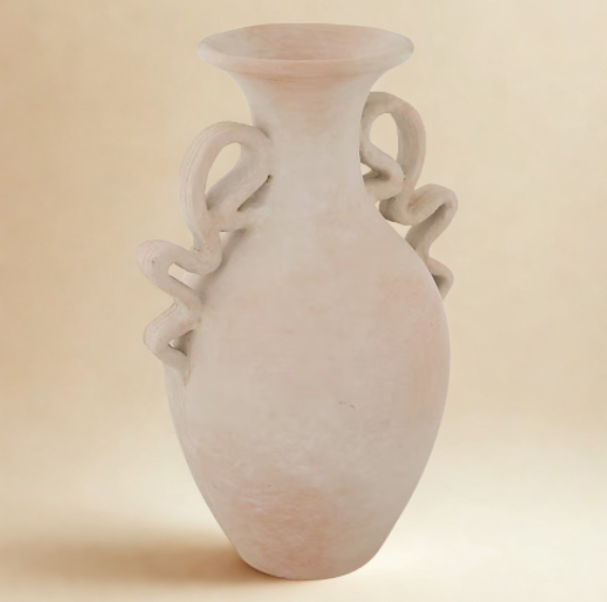
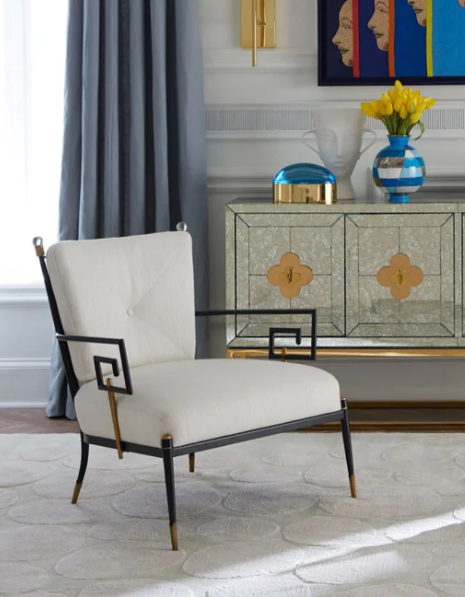
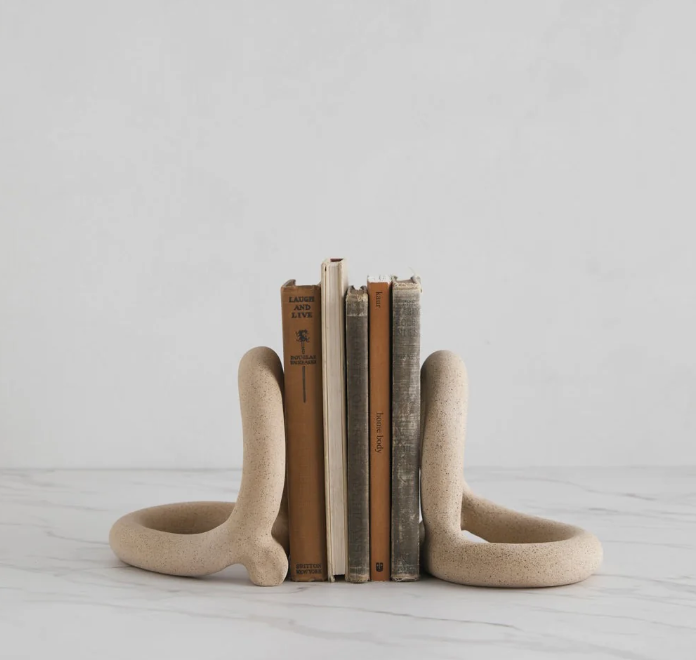
There's a fine line between "beautifully Hellenistic" and "did you just raid the props department," so a couple of rules help. Pick one room and commit, instead of trying to touch every room in the house. A bedroom or living room with plaster walls and one great statue-adjacent piece will read a lot better than busts scattered through your whole apartment. Mixing eras helps too: pair that one Greek-inspired piece with furniture that's modern or mid-century, rather than trying to match everything. The contrast is honestly what keeps it from feeling like a costume.
And try not to overdo the accessories. This style, at its actual historical core, was fairly restrained. That over-the-top marble-and-gold version we all picture is more Hollywood invention than reality anyway. A few well-chosen pieces, some breathing room on your shelves, and that one right shade of blue will take you further than a room full of statues ever will. Basically, the quiet, livable version of what's currently playing at your local IMAX.