




Napa Valley is often reduced to a single idea, wine, but the reality is far more than that. Yes, the Cabernet is world-class, but so are the mornings that start with coffee and fog lifting off the vines, the long lunches that turn into late afternoons, and the quiet backroads that lead somewhere better than expected. This is a place that rewards pacing. Plan less than you think you need, book more than you think you should, and leave room for the moments that aren’t on any itinerary.
From a hilltop olive grove where every room faces the valley to an eco-luxe boutique a short walk from The French Laundry, Napa's lodging spectrum matches the ambition of its wine list. Book early—harvest season fills up months out, and the best rooms at the best places disappear first.

☆ Michelin restaurant | ☆☆☆☆☆ hotel | From ~800/night | Adults-Only
Napa Valley's most storied luxury resort began, unexpectedly, as a restaurant. In 1981, French restaurateur Claude Rouas opened a Provençal-style dining room on a terraced hillside in Rutherford. The immediate success of that restaurant prompted the addition of "The Inn of the Sun" five years later—and what an inn it became. Fifty rooms and suites, each in a French-inspired maison, spread across 33 acres of heritage olive and oak trees, with panoramic valley views from every private terrace. Rated 9.7/10 and recognized among America's Top 100 Luxury Hotels.
The rooms are not just rooms. The Cannes and Monaco standalone cottages are greeted with chilled Dom Pérignon; in-room amenities include Nespresso, complimentary house wine (the hotel's own label), gourmet snacks from Napa purveyors, and Italian linens atop king beds with deep soaking tubs. The spa has heated limestone floors and a reputation for transformative treatments. A pool with valley views, tennis, and concierge access to exclusive private winery tastings that aren't available to the public complete the picture. Harvest season (September–October) is the most magical time to be here—but book four to six months out.

☆☆☆☆☆ hotel | From ~$650/night
Awarded Two Michelin Keys in 2025, placing it among just 70 hotels in the United States recognized for going beyond mere accommodation, Bardessono is the most design-forward stay in the valley. The 62 suites are arranged around four landscaped courtyards of salvaged Tufa stone and California oak, with gas fireplaces, floor-to-ceiling windows, private patios or balconies, organic bedding, and walnut-floored bathrooms. Every suite has a hidden built-in massage table. A glass of wine greets you at check-in.
The rooftop lap pool is a rare luxury in Yountville, and the B Spa downstairs offers seasonal treatments built around locally grown lavender, flower elixirs, and Napa Valley botanicals. Complimentary bicycles let you pedal directly from the hotel to the Vine Trail or to a tasting room across the street. You are, after all, steps from Bouchon, Bottega, and V Marketplace. Park the car once and don't touch it again.
☆☆☆☆☆ hotel | From ~$350/night
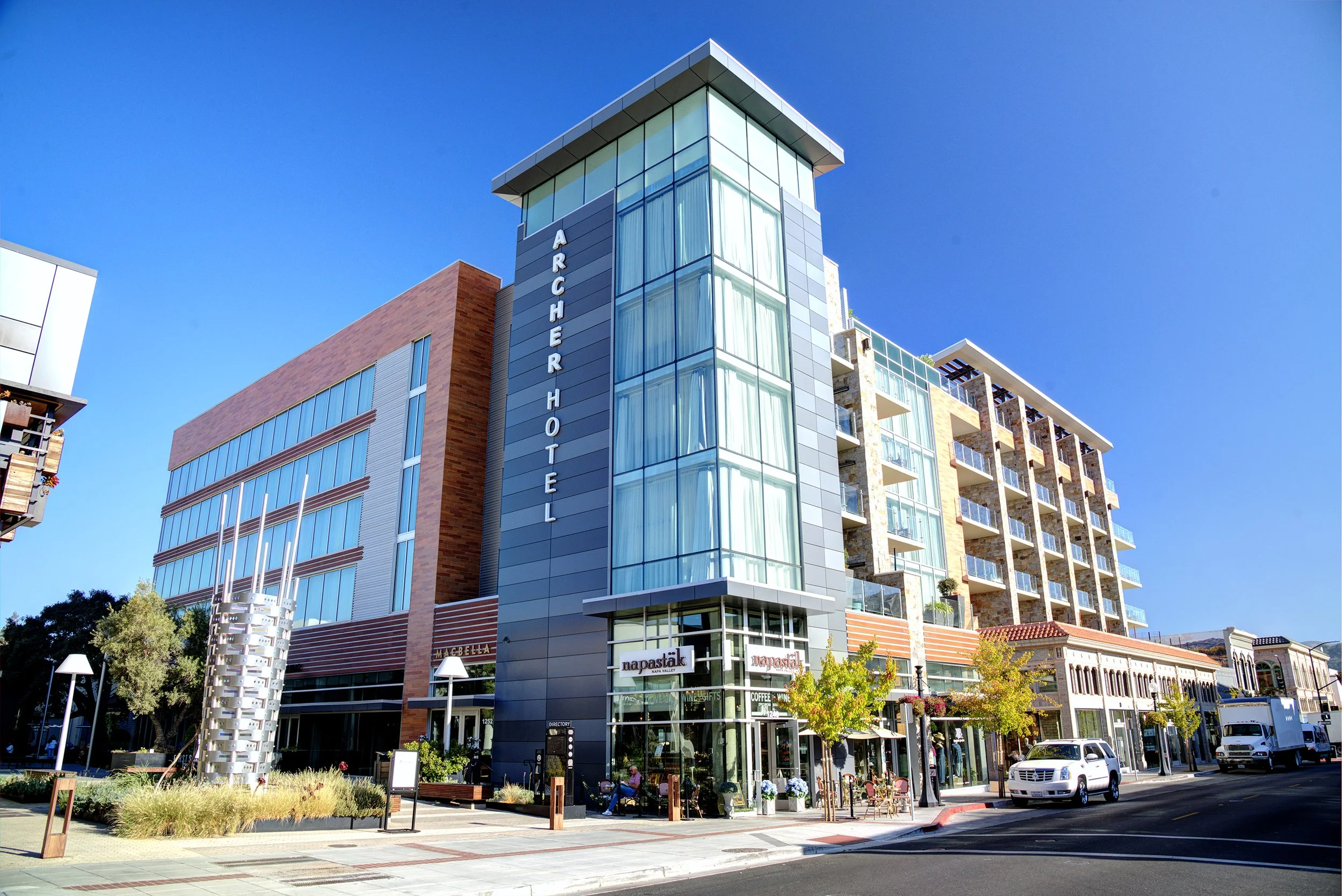
The best choice if you want to be in the middle of everything. Archer sits at the center of downtown Napa's considerable revival—60+ experiential tasting rooms within walking distance, top restaurants at every corner, and the Napa River a short stroll away. The 183 rooms include 39 balcony-clad suites with views over First Street. Expect Frette bathrobes, in-room Nespresso, a fully stocked minibar, nightly turndown service with locally curated treats, and an arrival gift of FIJI water and local caramels.
The sixth-floor rooftop is Archer's crown: Sky & Vine Rooftop Bar is Napa's most popular open-air gathering spot, where topiary sculptures, crackling stone fire pits, and potted olive trees set the scene for craft cocktails and valley views. There's also a rooftop dip pool, a spa offering "Napa Nirvana" couples treatments and gemstone facials, and a fitness studio. Charlie Palmer Steak anchors the ground-floor dining. Walk to everything; drive to the wineries.
☆☆☆☆☆ hotel | From ~$500/night
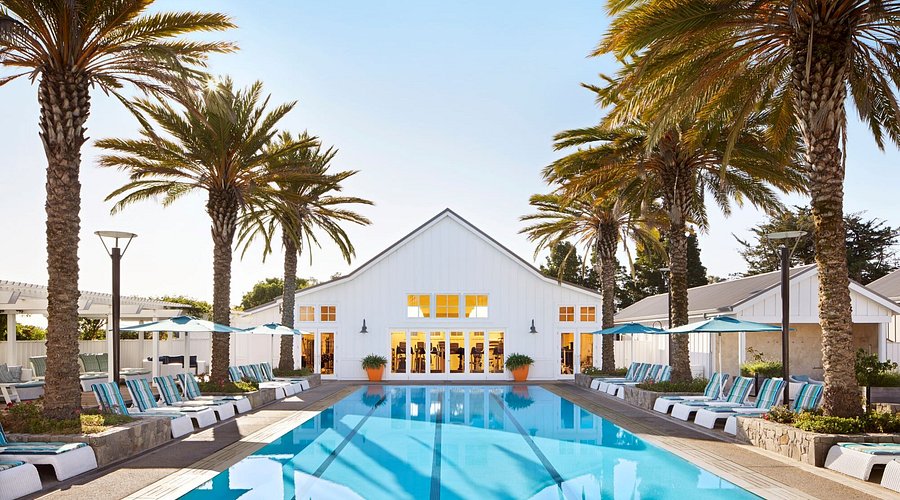
If the valley's bustle isn't for you, Carneros Resort sits at the southern tip of Napa on 27 rolling acres bordering the Carneros wine region—cooler, quieter, and more spa-forward than anything in Yountville. Accommodation is spread across private cottages with heated floors, wood-burning fireplaces, private patios, and farm views. The main pool is a spectacular hilltop affair with panoramic vineyard vistas; a second, more intimate pool sits below.
FARM Restaurant on-site sources from its own kitchen garden and offers one of the most honest, farm-to-table menus in the county. Boon Fly Café downstairs is the morning move; cinnamon-sugar mini donuts and farm-fresh eggs Benedict with jalapeño hollandaise, eaten under a corrugated tin roof. The spa has a steam room and hot tub overlooking the hills. A short drive south gets you to the airport; a short drive north gets you into the Valley proper.
Tip: Napa Valley's peak is harvest (September–October) and summer weekends, book accommodations 3–6 months out for those dates. The valley's best-kept secret: March through May is quieter, the vines are just budding, the hills are the greenest you'll ever see, and hotel rates drop significantly. The shoulder season is the locals' favorite.
Napa Valley's culinary scene is one of the densest concentrations of Michelin stars anywhere in the world—but the best memories here often happen at a bar stool with a glass of something unexpected, or at a bakery counter before the wineries open. Here's where to spend your appetite, from a once-in-a-lifetime dinner to a very good Tuesday morning.
THE FRENCH LAUNDRYYountville

The most celebrated restaurant in California, possibly in the country. Thomas Keller opened The French Laundry in a converted stone cottage with a small courtyard in 1994, and it has held three Michelin stars ever since. The menu changes daily, featuring two nine-course tasting menus (Chef's Tasting and a separate vegetable-forward menu), and no ingredient appears more than once. Herbs, vegetables, and up to 25 heirloom tomato varieties are cultivated in the restaurant's own kitchen garden directly across the street.
Reservations open two months in advance on Tock and disappear within hours—often minutes. Set an alarm. The dining room is intimate, the service impeccable, and the cellar holds over 15,000 bottles. If TFL isn't in the cards, Thomas Keller's nearby Bouchon (classic French bistro, year-round, far easier to book) and Ad Hoc (family-style four-course menu that changes nightly) both deliver serious cooking at more forgiving price points. Next door to Bouchon, Bouchon Bakery opens early for pastries and coffee that rival anything in Paris.
THE RESTAURANT AT AUBERGE DU SOLEILRutherford

Where Claude Rouas's dream began, and where Napa Valley fine dining found its soul. The restaurant perches above the valley on a terraced hillside, and the deck views, especially at sunset, are the finest you'll have with food in your hands. The menu is California-Mediterranean, built around locally sourced ingredients and a wine cellar of 15,000+ bottles that has earned Wine Spectator's Best of Award of Excellence.
Breakfast on the terrace is a Napa institution—consider it even if you're not a guest. The seasonal menu shifts beautifully: chilled Maine lobster with blood orange, wild-mushroom gnocchi with chanterelles and black trumpets, and thoughtful desserts built around seasonal fruit. Hotel guests receive priority seating; non-guests should book well ahead and request terrace seating when available.
BOUCHON BISTROYountville
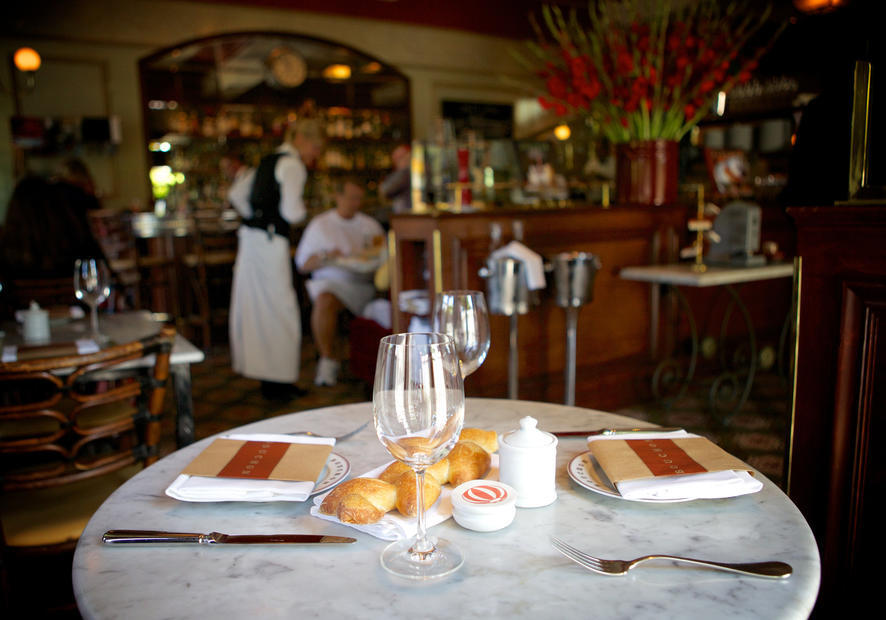
Thomas Keller's love letter to the Parisian brasserie. Steak frites, roast chicken, raw bar platters, croque madame, executed with his exacting standards in a room that feels transported from the 6th arrondissement. Bouchon is the move for a long, indulgent lunch with a bottle of Burgundy, or a late dinner after the wineries close. The bar is always lined with local winemakers; overhear their conversations about the vintage, and you'll learn more than any tasting note.
The late-night menu runs until midnight on weekends—making it the best post-tasting option in the valley. Next door, Bouchon Bakery opens early for the finest croissants and café au lait in wine country. Don't skip the Mini Model for an English muffin if you're heading to Yountville in the morning.
CLEMENTINEYountville
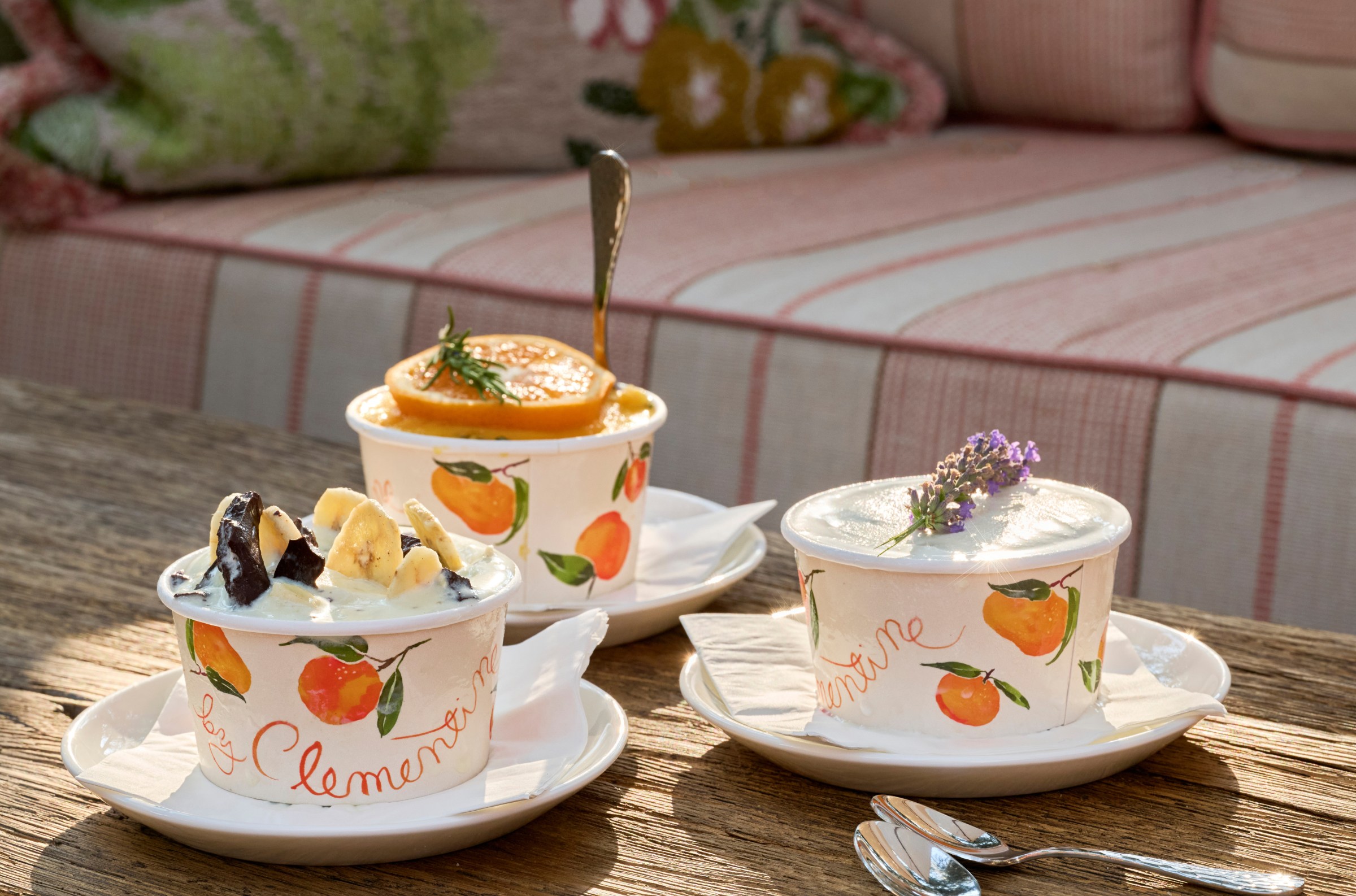
Clementine arrived in Yountville as the valley's most refreshing new address; a restaurant that doesn't compete with the white-tablecloth temples nearby so much as offer something they don't: brightness. The menu divides into La Mattina brunch and La Stella dinner, both built around seasonal, Mediterranean-inflected dishes that feel genuinely alive on the plate. The kitchen chases color and contrast — bold flavors, unexpected combinations, the kind of cooking that makes you lean in rather than sit back.
Washington Street in Yountville is a block where the competition is relentless, and Clementine holds its own. Come for a late lunch on the al fresco patio with a crisp white from a neighboring producer; come back for dinner when the stars are out and the mood shifts. It's the rare Yountville spot where you're not just eating around the French Laundry — you're somewhere worth going in its own right.
TORCDowntown Napa

Chef Sean O'Toole's TORC is the best restaurant in downtown Napa right now, and it just keeps getting better. The approach is soulful, farm-to-table: meticulously crafted California cuisine built around local ingredients, served in a warm, laid-back room that feels like the antidote to Napa's occasional formality. The menu shifts with what's available—expect seasonal vegetables treated with as much respect as the proteins, a thoughtful wine list emphasizing smaller producers, and a service team that clearly loves what they're doing.
CADET WINE & BEER BARDowntown Napa
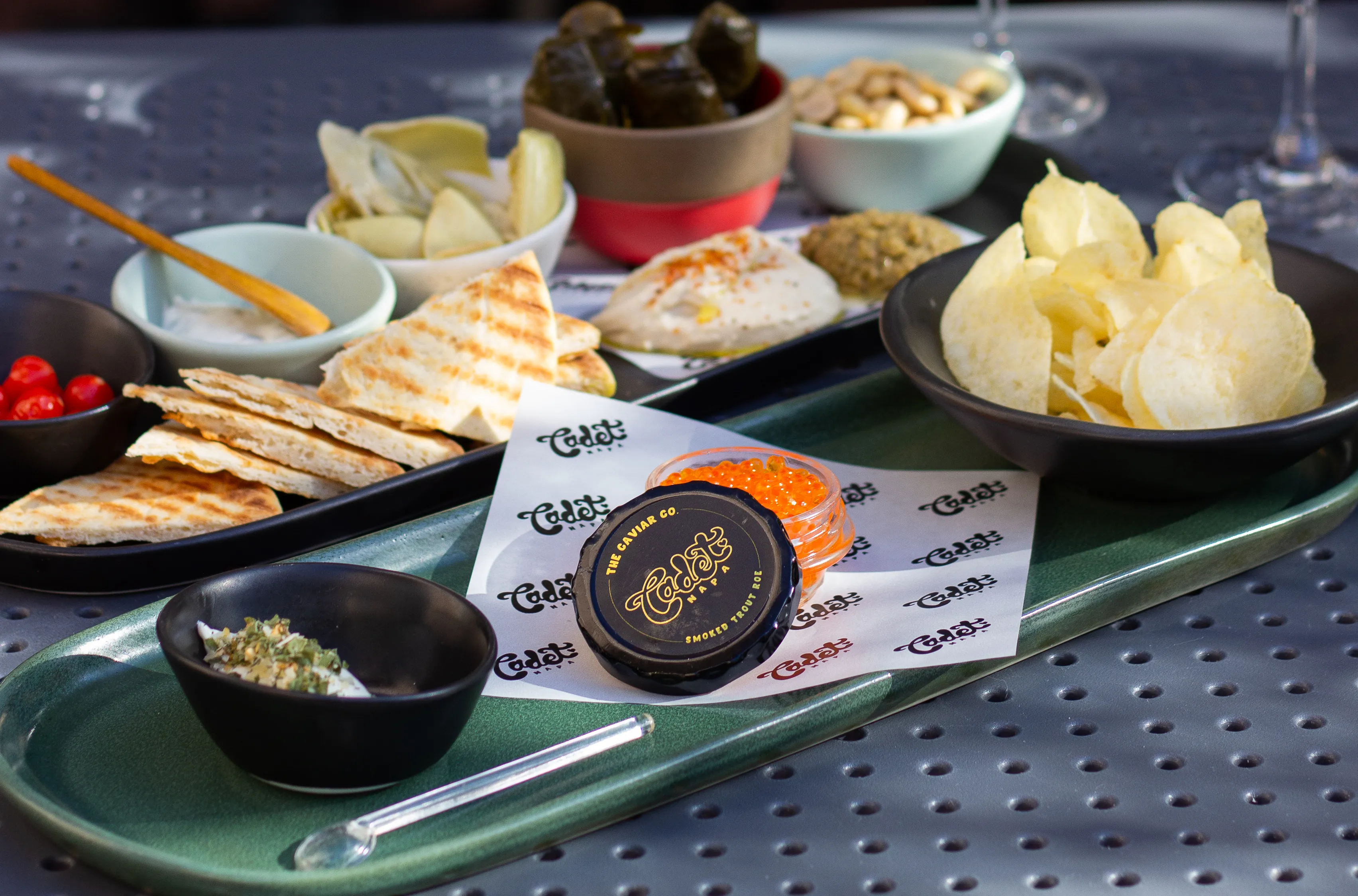
The coolest bar in downtown Napa, tucked down a short alley off First Street, run by the female duo Colleen Fleming and Aubrey Bailey. Cadet is where all the cool kids end up. The international wine list is deeply curated and surprising; the craft beer selection is excellent; the grilled cheese is, unironically, exceptional.
Power Hour runs Thursday through Sunday from 5–6 pm: half off all wines by the glass. Wednesday features boutique producer tastings. The 80s new-wave music playing from actual records, the low lighting, and the enthusiastic staff who will happily course-correct your whole evening make Cadet the kind of place you show up for one drink and leave two hours later having discovered a new favorite winemaker—a great pre- or post-dinner stop.
COFFEE BEFORE CABERNETDowntown Napa & Yountville
Napa's morning coffee scene is better than you'd expect for a place everyone assumes just sells wine. A few don't-miss spots:
Moulin: A touch of Paris on the Napa Riverfront. Fresh croissants, pain au chocolat, and rustic baguettes paired with excellent espresso. If your ideal morning involves flaky pastries and a cappuccino at a table facing the water, this is the move—available at multiple locations in Napa.
Bouchon Bakery: Thomas Keller's bakery, steps from the restaurant. Morning buns, kouign-amann, macarons, and a proper café au lait before a day of tasting. Line forms early; it's worth every minute.
Calistoga Roastery: If you're heading to the northern end of the valley, this is the spot that's been waking up Calistoga since 1992. Lattes, sausage breakfast sandwiches, and the warm energy of a place where everyone knows everyone.
With over 400 wineries across 35 miles of valley, the hardest part isn't finding a good winery—it's narrowing it down. Three to four tastings per day is the ideal pace. Any more and your palate (and your memories) will start to blur. Below are the ones worth centering a day around, from a once-in-a-generation estate to the most romantic sparkling wine château in California. All require reservations; most book 2–4 weeks out in peak season.
Tip: Nearly all Napa wineries require reservations in 2026. Tasting fees average $50–$75/person for a standard experience, $85–$125+ for premium and library tastings. Many waive the fee with a minimum wine purchase. Designate a driver or book a tour operator, Napa enforces this strictly. And bring a cooler: you will buy bottles.

The winery announced it had arrived in Napa Valley. Born from an extraordinary 1978 partnership between Robert Mondavi, the pioneer of California fine wine, and Baron Philippe de Rothschild of Château Mouton Rothschild in Bordeaux, Opus One produces a single wine each year: a Bordeaux-style blend of Cabernet Sauvignon, Merlot, Cabernet Franc, Petit Verdot, and Malbec that is consistently counted among the finest wines in the world. The architecture alone earns the visit, a 1991 stainless-steel rotunda with Neoclassical colonnades in Texas limestone, where a spiral staircase descends to a grand barrel-vaulted hall that feels more like a museum than a cellar.
The Opus One Experience ($125/person) is the one to book: 90 minutes in the Partners' Room overlooking estate vineyards, with an Estate Ambassador guiding you through the current release and two library selections, paired with culinary bites and the full story behind the wine. Reservations open on the first day of each month for the following two months—set a reminder. The Courtyard Tasting ($60) is a good entry point: a glass of the current vintage surrounded by 120-year-old olive trees, with rooftop valley views as the finale. For the ultimate experience, Art of the Table pairs select vintages with a seasonal tasting menu by the Executive Chef, available Monday–Friday by appointment at least two weeks ahead.
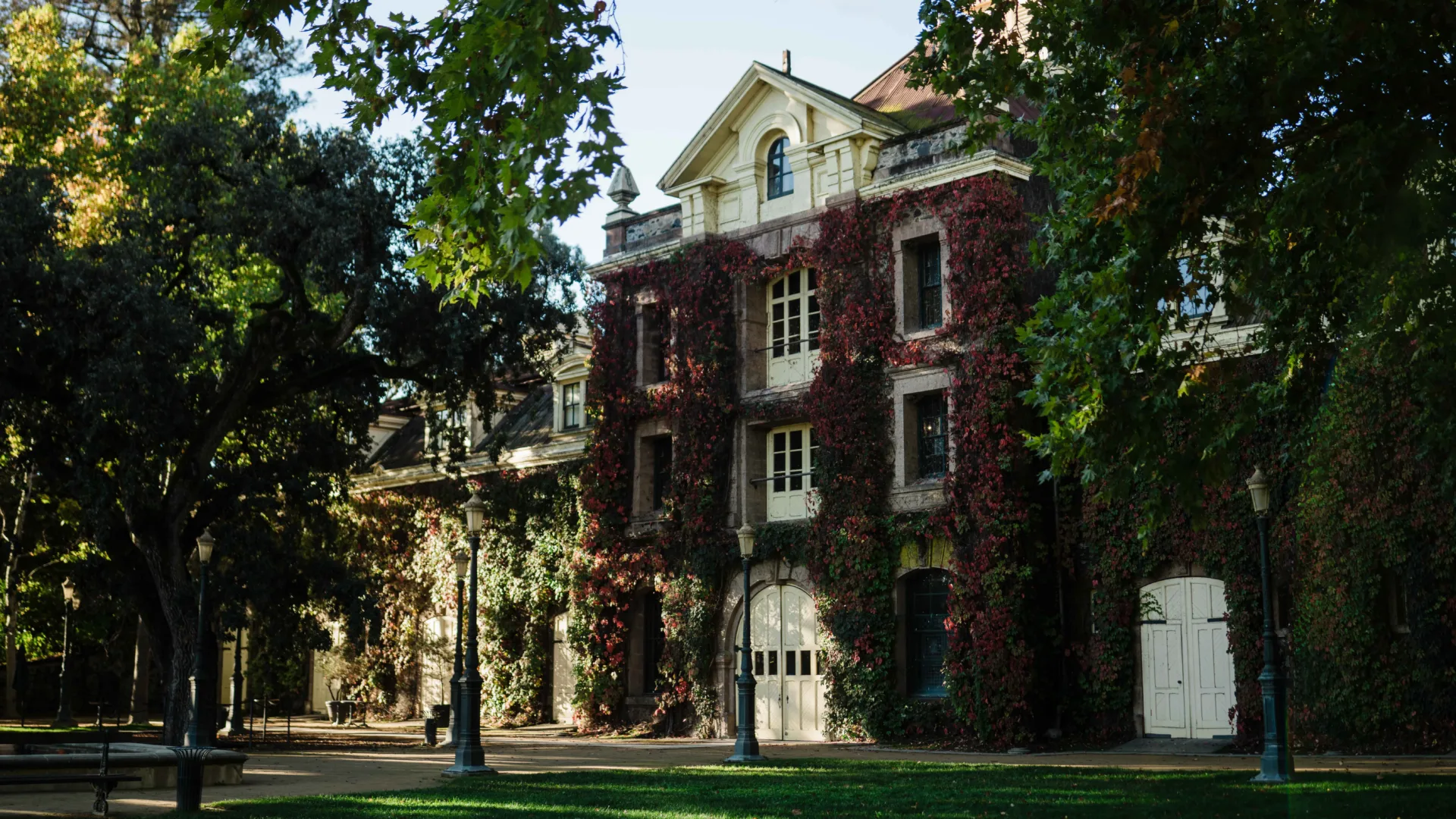
Founded in 1879 by Gustave Niebaum, a Finnish sea captain who believed Napa's Rutherford Bench could rival the great estates of Bordeaux, Inglenook is the oldest great winery in the valley—and one of its most dramatic to visit. The ivy-covered château, the historic wine caves carved into the hillside, the courtyard overlooking the Rutherford Bench with its 200+ acres of certified organic vines: it looks exactly like what a legendary Napa estate should. That Francis Ford Coppola bought it in 1975 only adds another layer to the story.
In 2025, Inglenook celebrated 50 years of Coppola family stewardship and received Napa Green Vineyard certification for its leadership in regenerative farming and climate action. The estate's flagship wine, Rubicon, a Rutherford Cabernet Sauvignon of extraordinary complexity, is the reason serious wine drinkers make the pilgrimage. The bistro on-site is casual and welcoming, with a coffee bar that's been called "the best coffee secret in Napa." Tastings run from classic seated flights to cave experiences and library legacy tastings. If you can get a guide named Bob, reviewers say you're in for a very good afternoon.
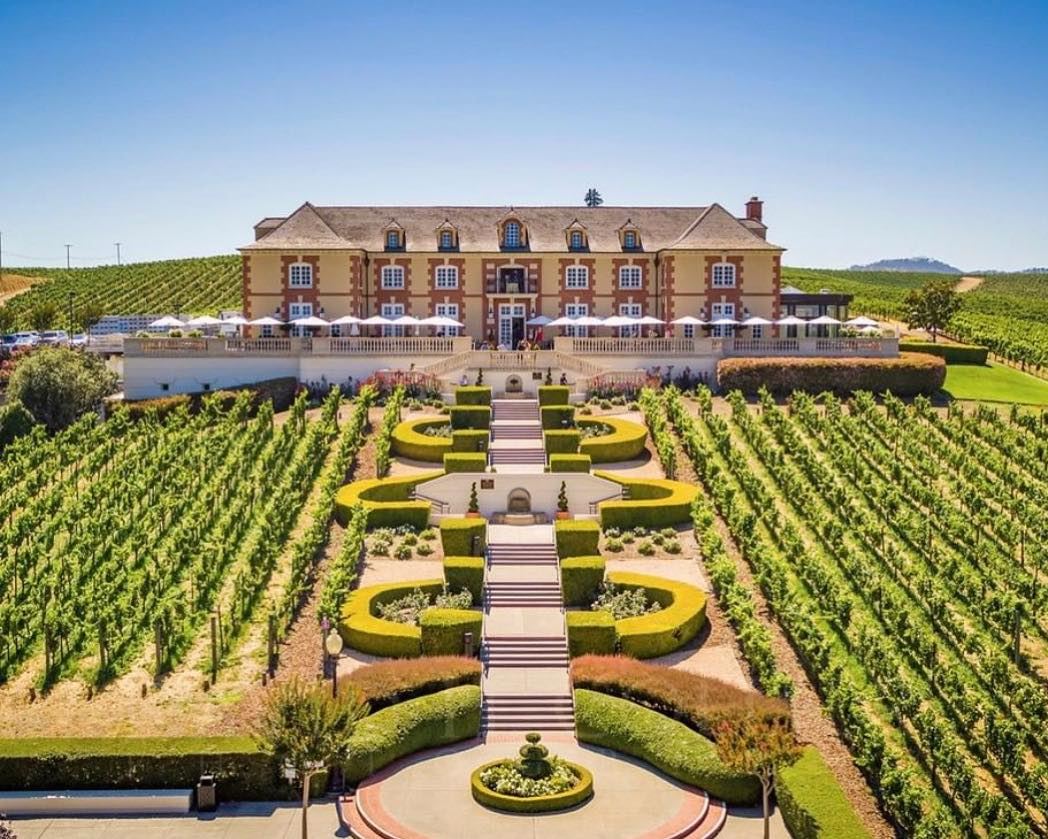
The most beautiful winery in Napa Valley—and it's not particularly close. Founded in 1987 by the Taittinger family of Champagne fame, Domaine Carneros built a replica of Taittinger's 18th-century Château de la Marquetterie on a Carneros hillside, surrounded by Pinot Noir and Chardonnay vines perfectly suited to the region's cool coastal climate. Guests climb an extravagant staircase to the château terrace and the rolling vineyard views below; it feels like southern France on a good day in California, which is to say: it's very, very good.
The tasting is table service only, no standing-at-a-bar shuffle, with flights of sparkling wine, optionally paired with caviar, artisan cheese boards, charcuterie, or the elevated "Bubbles & Bites" seasonal food pairing. The flagship Le Rêve blanc de blancs is the wine worth splurging on. For something more immersive, the "Art of Sparkling Wine" tour takes you through the méthode traditionnelle process before a seated final tasting. This is the ideal first stop on a Napa morning, especially if you're staying at Carneros Resort just down the road.

On May 24, 1976, a blind tasting in Paris organized by British wine merchant Steven Spurrier changed the wine world permanently. French judges, tasting California wines alongside Burgundy's finest, placed Chateau Montelena's 1973 Chardonnay at the top of the white wine category. The result stunned France and put Napa on the global map. Today, 50 years later, the seven Napa wineries that participated in that tasting have united to mark the anniversary—and Chateau Montelena remains one of the most compelling visits in the valley.
The estate itself is worth a visit for the grounds alone: established in 1882 at the base of Mount St. Helena in Calistoga, it feels genuinely different from the Yountville and Oakville wine corridor. There's Jade Lake, excavated in the Prohibition era by a Chinese electrical engineer who owned the property, where wine club members can picnic. The château looks like it was lifted from Burgundy. The "Story Behind the Bottle" experience and the "Legacy in a Glass" library tasting (offered as part of the 50th-anniversary programming through 2026) are the two to seek out. Watch the 2008 film Bottle Shock before you go, it dramatizes the Judgment of Paris story and makes every sip more meaningful.
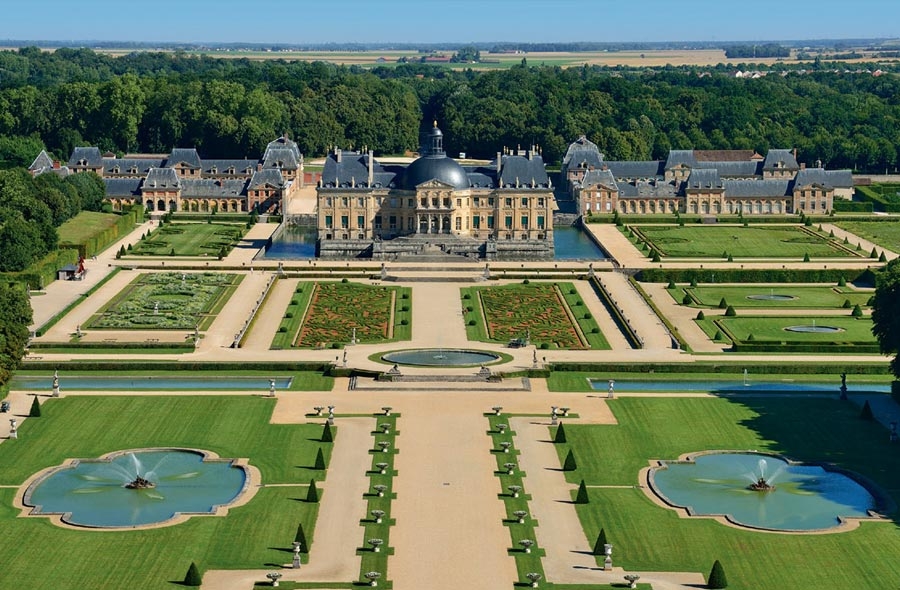
The other half of the Judgment of Paris story. While Chateau Montelena took the white wine prize in 1976, Stag's Leap Wine Cellars' 1973 Cabernet Sauvignon topped the reds—beating out Mouton Rothschild, Haut-Brion, and Montrose in the process. The Stags Leap District on the eastern side of the valley, with its volcanic red soils and unique air circulation patterns, has been making exceptional Cabernets ever since. This is the property that proved Napa Cabernet could age with the grace and complexity of Bordeaux's finest.
The seated tasting of their limited Stags Leap District estate Cabernets is consistently rated one of the top winery experiences in Napa—intimate, knowledgeable, and genuinely educational about what makes this particular sub-appellation so special. Also participating in the 2026 Judgment of Paris 50th anniversary programming with special tastings and events. Book directly on their website.
OTHER HONORABLE MENTIONS
Hess Persson Estates: Equal parts winery and contemporary art museum. The Hess Collection of bold, thought-provoking art fills the upper floors; elegant Cabernets and Chardonnays fill the glasses downstairs. One of the most genuinely interesting visits in the valley.
Castello di Amorosa: A fully functional 13th-century Tuscan castle, hand-built over 14 years from European materials. Melodramatic in the best possible way. Italian-inspired wines, cave tours, and an experience that's genuinely unlike anything else in Napa Valley. Great for groups or first-time visitors who want something theatrical.
Round Pond Estate: Estate Cabernets and California Nebbiolo, plus some of the best olive oil tastings in the state. A quieter, more intimate visit than the big-name estates—and consistently excellent.
Yes, you came for the wine. But Napa Valley rewards the curious traveler who looks beyond the tasting rooms. There's a 47-mile paved bike trail, a food hall that deserves half a day, hot air balloon rides at dawn over the vines, and mud baths that have been a California wellness tradition since the 1800s. Here's how to spend the other hours.
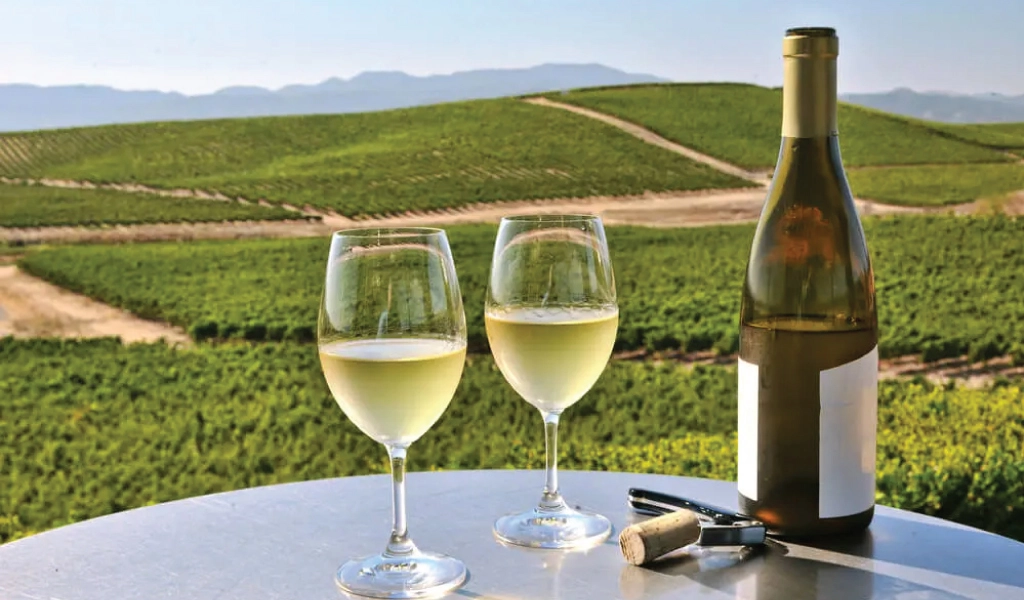
Over 400 wineries dot the 35-mile valley. A common mistake: trying to hit too many. Three to four tastings per day is the right pace—any more and your palate (and memory) will blur. Mix large iconic estates with smaller appointment-only producers; the latter often offer access to winemakers, barrel rooms, and wines you can't buy elsewhere. Rutherford's Cabernet Sauvignon, Yountville's farm-to-table wine pairings, and Calistoga's volcanic-soil reds are the geographic through-lines. Start your first day on Silverado Trail, quieter and more intimate than Highway 29, and end at a valley-floor estate with an afternoon pickup truck tour of the vineyards.

The most unforgettable thing you can do in Napa Valley has nothing to do with drinking wine. Launch at dawn, drift silently 1,000–2,000 feet above the valley floor as the Mayacamas Mountains light up in the east and the vineyards below stretch in every direction. The ride lasts 45 minutes to an hour; most packages include a champagne toast at landing. Napa Valley Balloons is the most established operator and includes breakfast—book at least 2–3 weeks in advance during peak season.
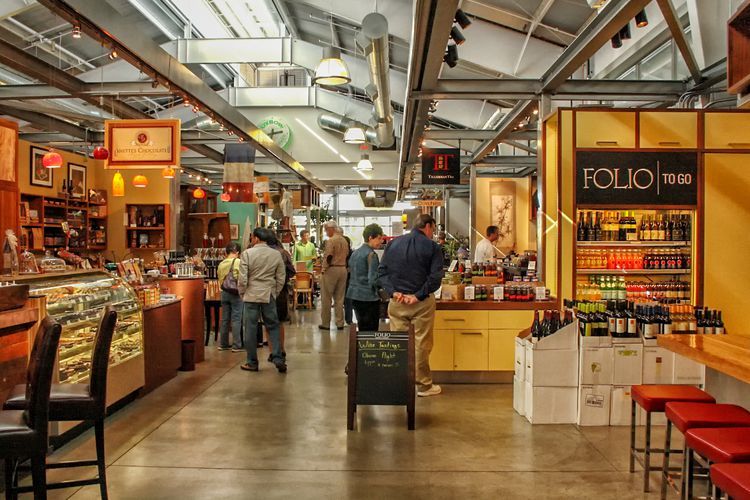
A 40,000 square-foot indoor marketplace on the Napa River that functions as the valley's culinary heart. Local cheesemakers, artisan chocolatiers, a raw oyster bar, a charcuterie counter, fresh pasta, local honey, hand-poured candles, cookbooks, and a wine merchant with tasting flights—all under one roof. It's both a great morning stop (The Model Bakery here serves the legendary English muffin) and a perfect rainy afternoon. The front patio on the river is ideal for picnic food and a glass of something local. Arrive hungry.

A paved, car-free trail system running through vineyards, parkland, and charming town centers—with the full 47-mile vision expanding every year. Rent a bike in Yountville or Napa and pedal past vineyard rows, public art installations, and tasting rooms that let you roll up and lock your bike out front. The Yountville stretch is especially beautiful. An e-bike makes the full 12.5 completed miles genuinely relaxing for any fitness level.
CALISTOGA MUD BATH & HOT SPRINGS
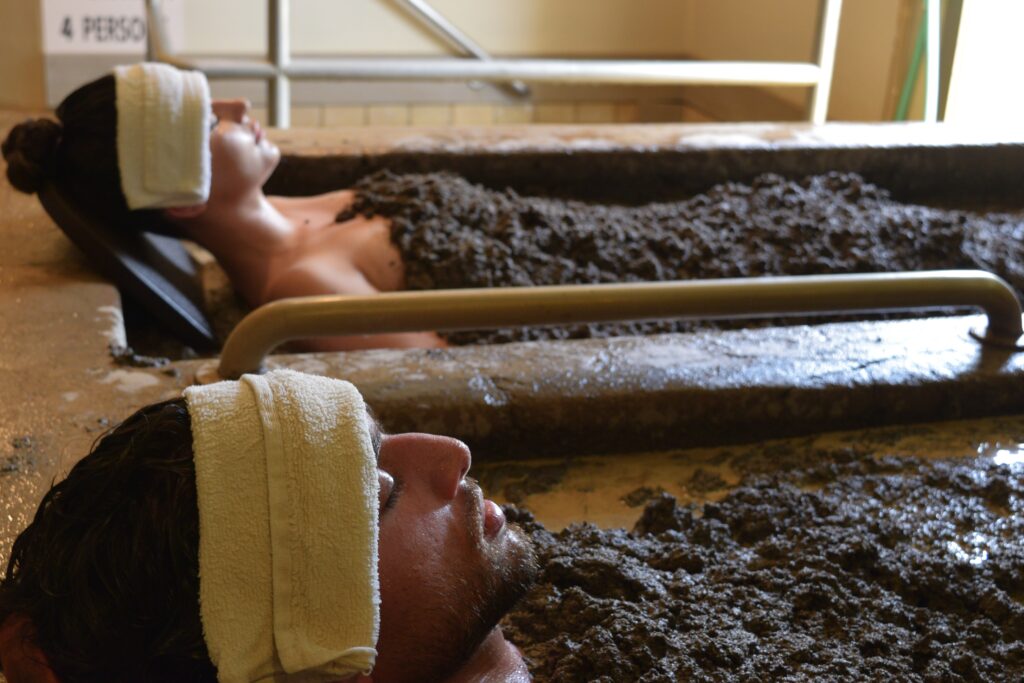
At the northern tip of the valley, Calistoga has been a geothermal spa destination since the 1860s. The volcanic hot springs underneath the town fuel more than 15 spas, each with its own version of the signature mud bath experience: volcanic ash and peat mixed into mineral-rich water, soaked in for 10–15 minutes, followed by a hot mineral bath, a steam room, and a blanket wrap. It's deeply strange and deeply wonderful. The Four Seasons Calistoga and the Solage (Auberge Collection) offer more elevated versions; Indian Springs is the authentic local classic. Book a treatment in the afternoon after a morning of tasting.
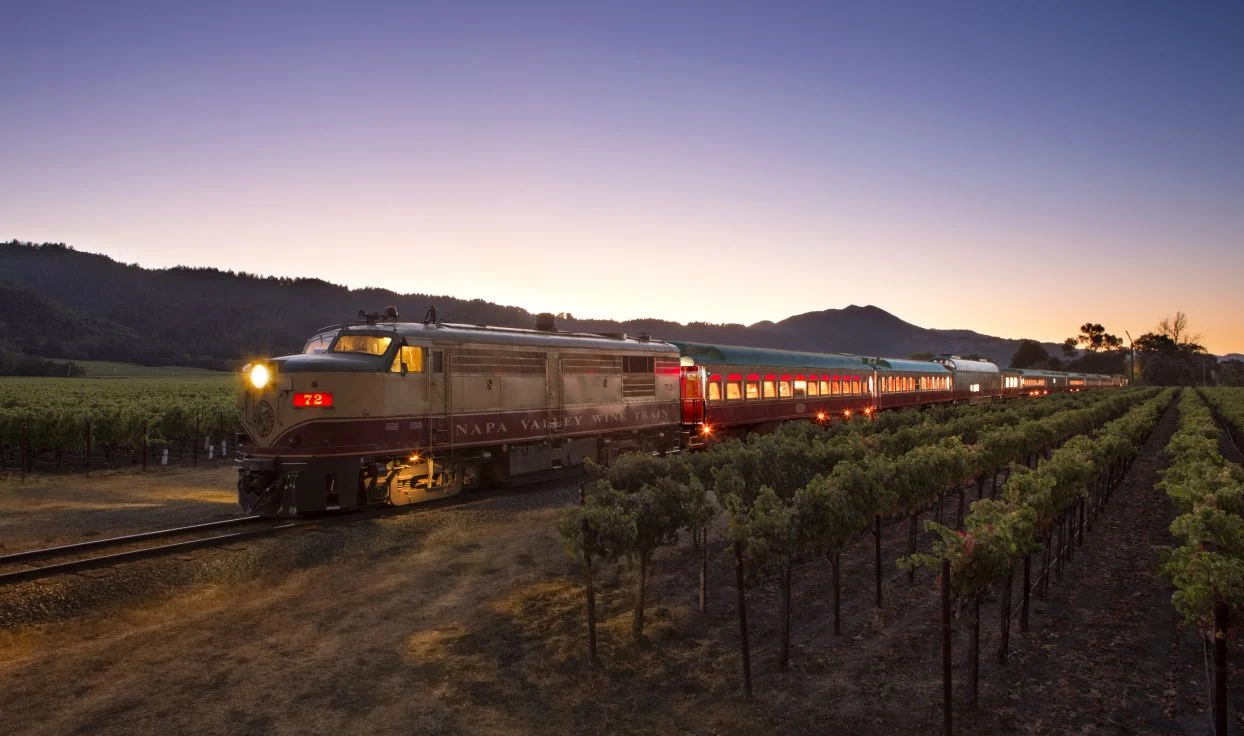
Board restored 1915 Pullman dining railcars in downtown Napa and ride 36 miles through the heart of the valley as wine, food, and scenery roll past your window. The train offers several experiences—from basic sightseeing to multi-course gourmet dinners to winery stop packages. It's genuinely beautiful and a different pace than anything else in the valley. Best booked in advance; most popular during harvest season for obvious reasons.
ACTIVITIES
Olive oil tasting: Round Pond Estate in Rutherford offers guided extra-virgin olive oil tastings with orchard tours—a genuine counterpart to the region's wine culture that most visitors skip entirely. Exceptional.
Kayaking the Napa River: Rental kayaks and guided tours along the river's calm stretches offer a water-level view of the valley that no tasting room can replicate. Best in spring and fall.
Art in Yountville: Yountville's outdoor Art Walk features 35+ rotating sculptures by local and internationally recognized artists installed throughout the town's 1.5-mile walkable footprint. Pick up a map at any hotel.
Napa is open and beautiful year-round, but the experience changes dramatically depending on when you visit. Harvest is electric but expensive. Spring is the locals' secret. Summer is lively but crowded. Winter is intimate and underrated. Here's the breakdown.
SPRINGMarch - May
The valley's best-kept secret. Vines are just budding, wildflowers on the hillsides, green everywhere, and far fewer crowds than in summer. Mild 60–75°F days are ideal for biking and outdoor tastings. The Napa Valley Wine Auction happens in May. Shoulder-season hotel rates apply. The locals' favorite time of year.
SUMMERJune - August
Warm and sun-drenched, with the valley at its most photogenic. Expect 80–90°F valley days with cool coastal breezes by evening. Lively music festivals, outdoor concerts at wineries, and every restaurant is at full buzz. The busiest and most expensive time—book far ahead and embrace the energy.
HARVESTAugust - October
The most electric time to visit. Grape picking and crushing are underway, wineries host harvest parties and special tours, and the valley smells of fermentation and excitement. Autumn colors arrive in October. Peak prices and peak demand—some rooms book out a year ahead. Plan accordingly.
WINTERNovember - February
Napa's intimate season: mustard flowers bloom between the dormant vines, tasting rooms are quieter and more personal, hotel rates drop significantly, and the Cabernet releases of the new vintage pour by firelight. The Napa Valley Truffle Festival and Napa Valley Restaurant Week in January make it worthwhile beyond just the solitude.
